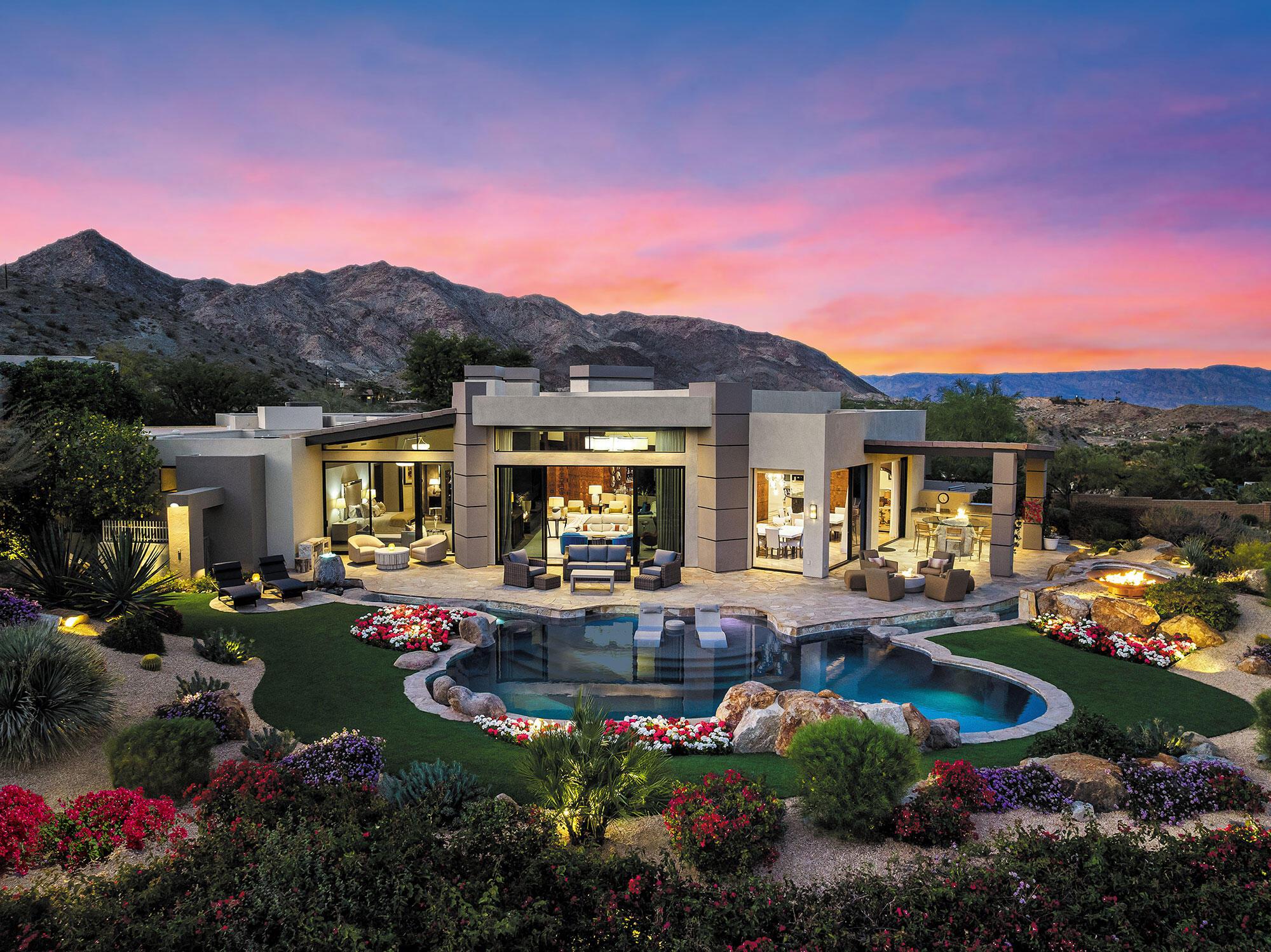
Every desert season has a rhythm. The snowbirds arrive in October, the market heats up through January and February when The American Express tournament brings the world to La Quinta, and by June the temperature climbs, the crowds thin, and conventional wisdom says real estate "goes quiet" until fall.
Conventional wisdom is wrong this year — and the buyers paying attention to it are the ones who will own the best properties in La Quinta a year from now.
Summer 2026 isn't a quiet season. It's a window. And like every real window in real estate, it won't stay open once the snowbirds figure out the same thing.
The Market Right Now: More Room to Negotiate, Not Less Value
La Quinta's luxury market has shifted meaningfully over the past twelve months, and the shift favors buyers more than it has in years. Inventory across the city has expanded, days on market have lengthened, and the urgency that defined 2022 and 2023 — multiple offers, waived contingencies, escalation clauses — has largely evaporated.
Homes in La Quinta are now taking close to five months to sell on average, roughly 50% longer than they did a year ago. That's not a market in trouble; it's a market that's rebalanced. There are currently several hundred single-family homes actively listed within the city's core, with luxury pricing extending well into eight figures in communities like The Madison Club, and well over a thousand total residential listings across La Quinta when you include condominiums and attached homes.
What that means in practice: buyers today are negotiating from a position of strength they haven't had in three years. Sellers who are realistic about pricing are still closing — there have been hundreds of completed sales in La Quinta already this year, ranging from entry-level condos in La Quinta Cove to estate-level transactions inside The Madison Club — but the days of a home selling itself regardless of price or presentation are over.
For a buyer who has been priced out, outbid, or simply discouraged by the last three years, that's the opening.
Why "Quiet" Doesn't Mean "Empty"
Summer in the Coachella Valley has a reputation problem. The heat scares off casual lookers, the snowbird population that drives so much of the desert's social energy is gone, and the assumption is that nothing of consequence happens in the local market between Memorial Day and Labor Day.
That assumption is exactly why summer works for serious buyers. Less competition doesn't mean less inventory — it means the same homes are available to a smaller, more motivated buyer pool. Sellers who are listing in summer are often doing so for real reasons: a life change, a relocation timeline, a need to close before the next season's pricing reset. They tend to be more flexible on price, more open to creative terms, and more willing to negotiate on repairs, closing costs, or timeline than a seller competing against five other listings in February.
There's also a longer-game argument here. Buyers who close on a home in July or August have the entire fall to handle any renovations, furnishing, or staging decisions — well before "season" arrives in the desert. By the time the snowbirds return and the social calendar fills with golf, polo, and tournament traffic, a summer buyer is already settled, not still hunting.
Increased Inventory Means Increased Choice
One of the most underappreciated dynamics in the current La Quinta luxury market is simply how much there is to look at. Buyers in 2026 are choosing from meaningfully more active listings than they were two years ago, spanning everything from updated condos inside PGA West's Nicklaus Tournament course to custom estates in The Hideaway, Tradition, and Madison Club.
That depth of inventory matters because luxury buying is rarely just about square footage or bedroom count. It's about fit — the right course frontage, the right light at sunset, the right floor plan for how a family or a couple actually lives six months out of the year. A thin market forces compromise. A deep market lets a buyer be selective, and selective buyers make better long-term decisions.
More Negotiating Power — Without Giving Up Quality
There's a common misconception that "buyer's market" means settling for less. In luxury real estate, it almost never does. What changes isn't the caliber of homes available — Madison Club, PGA West, and The Hideaway are still Madison Club, PGA West, and The Hideaway — what changes is the leverage a buyer brings to the table.
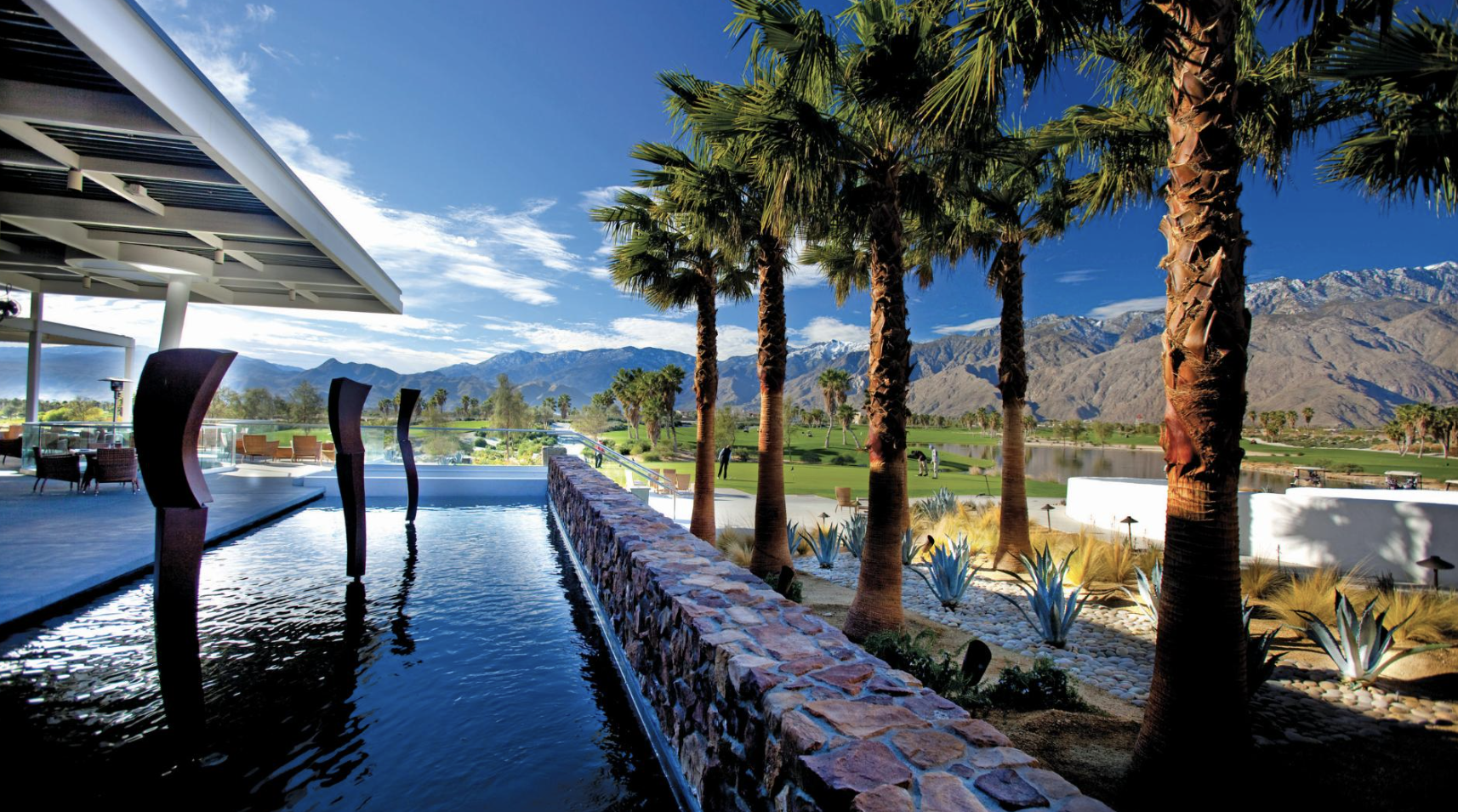
That leverage shows up in a few specific ways this summer:
- Price negotiation room. With days on market extending and price-per-square-foot softening modestly across the city, sellers are more receptive to offers below list, particularly on homes that have been sitting for sixty days or more.
- Contingency flexibility. Inspection periods, appraisal contingencies, and financing windows that would have been waived outright in 2022 are back on the table as standard buyer protections.
- Closing cost and credit negotiation. Sellers motivated by a relocation timeline are increasingly willing to contribute toward closing costs or rate buy-downs to get a deal done.
- Time to do real diligence. A buyer isn't racing a multiple-offer deadline. There's room for a second showing, a contractor walkthrough, an HOA document review — the things that protect a buyer for the next decade of ownership, not just the next ten days.
None of this requires settling for a lesser property. It requires recognizing that the same caliber of home is currently available on better terms than it has been in years.
Why Sellers Still Succeed With the Right Pricing
The flip side of this market deserves equal attention, because the sellers who are winning right now are proving something important: pricing strategy, not market timing, is what determines outcome.
Luxury sales are still closing across every price tier in La Quinta, including transactions well above eight figures inside Madison Club. What separates a 2026 success story from a stalled listing isn't luck — it's a seller who priced to the current market from day one, rather than chasing 2022 comparables that no longer apply, paired with presentation that meets today's buyer expectations (more on that Wednesday).
A home priced accurately for where the market actually sits today, marketed to the right buyer pool — often a buyer relocating from a more expensive coastal or urban market who still sees La Quinta as exceptional value — will sell in this environment. A home priced for a market that no longer exists will sit, accumulate days on market, and eventually require a price reduction that costs the seller more, both in dollars and in negotiating position, than pricing correctly the first time would have.
Local Insight: La Quinta and the Golf Communities
What makes La Quinta specifically compelling this summer is the layering of national market dynamics on top of a genuinely unique local product. There is no other market in the country that offers this density of championship golf — PGA West alone carries nine courses and the rare distinction of having two ranked among the world's top 100 — combined with the lifestyle infrastructure of Old Town La Quinta, the polo and equestrian culture centered around Empire Polo Club and Eldorado Polo Club, and direct access to the broader Greater Palm Springs cultural and culinary scene.
That combination is why La Quinta buyers tend to be relocating from somewhere more expensive, not somewhere cheaper. A buyer coming from coastal Orange County, the Bay Area, Seattle, or the East Coast isn't comparing La Quinta to other desert markets — they're comparing it to what their existing home would sell for, and finding that a Madison Club estate, a Hideaway custom build, or a turnkey PGA West condo represents genuine value relative to where they're coming from. That buyer pool doesn't disappear in summer. If anything, summer is when that buyer — often someone selling a primary residence on a different school-year or fiscal-year timeline — has the bandwidth to actually transact.
What This Means If You're Watching the Market
The buyers who do well in any market are rarely the ones reacting to headlines about hot markets or cold markets. They're the ones who understand what's actually happening on the ground in the specific neighborhoods they care about, and who move when the data — not the calendar — tells them to.
Right now, in La Quinta, the data says: more inventory, longer days on market, real negotiating room, and a seller pool that is still transacting at every price point when priced correctly. That's not a market to wait out. That's a market to work.
Frequently Asked Questions
Is summer a good time to buy a home in La Quinta? Yes, for buyers who can act with less competition. Inventory is elevated and days on market have lengthened, giving buyers more negotiating leverage than they've had in recent years, without any reduction in the caliber of homes available.
Are luxury home prices dropping in La Quinta? Pricing has softened modestly and days on market have increased compared to the prior year, but luxury sales — including estate-level transactions inside Madison Club — continue to close. The shift favors negotiation, not a collapse in value.
What golf communities in La Quinta are best for luxury buyers? PGA West, The Madison Club, The Hideaway, and Tradition each offer a distinct luxury positioning, from PGA West's resort-scale golf access to Madison Club's ultra-private estate model. The right fit depends on lifestyle priorities — golf access, privacy, club culture, and price point.
Thinking about buying or selling this summer? Let's create a strategy tailored to your goals.