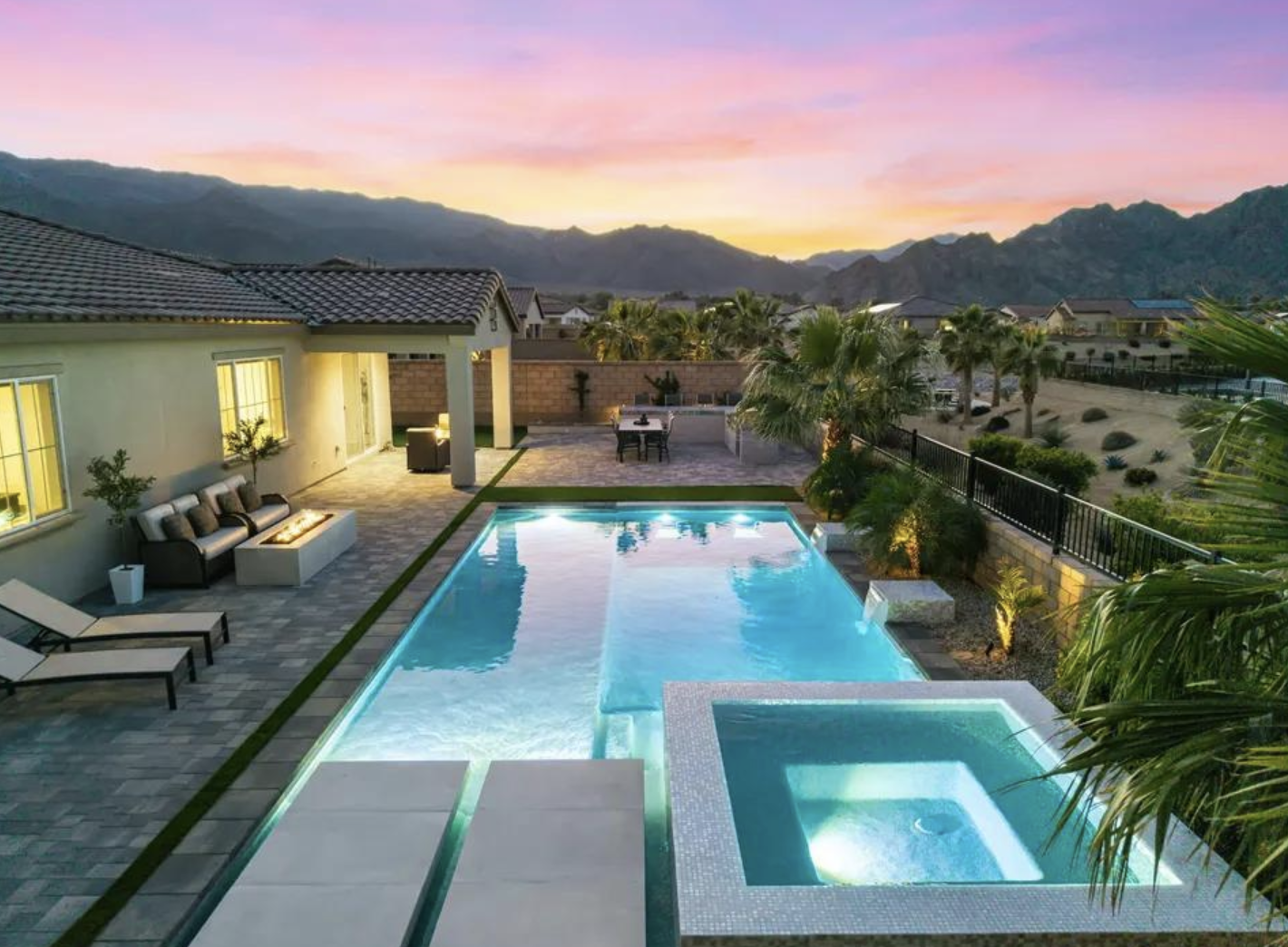
Nobody moves to La Quinta expecting to love July. The brochure version of desert living — the American Express tournament, Sunday polo, the Saturday farmers market, a packed Old Town calendar — is a winter story. July is the part people assume they'll just endure.
And then they spend a summer here. And most of them stop enduring it.
This is that story — not the polished version, but the honest one from people who actually live here through the heat.
The Morning Belongs to You
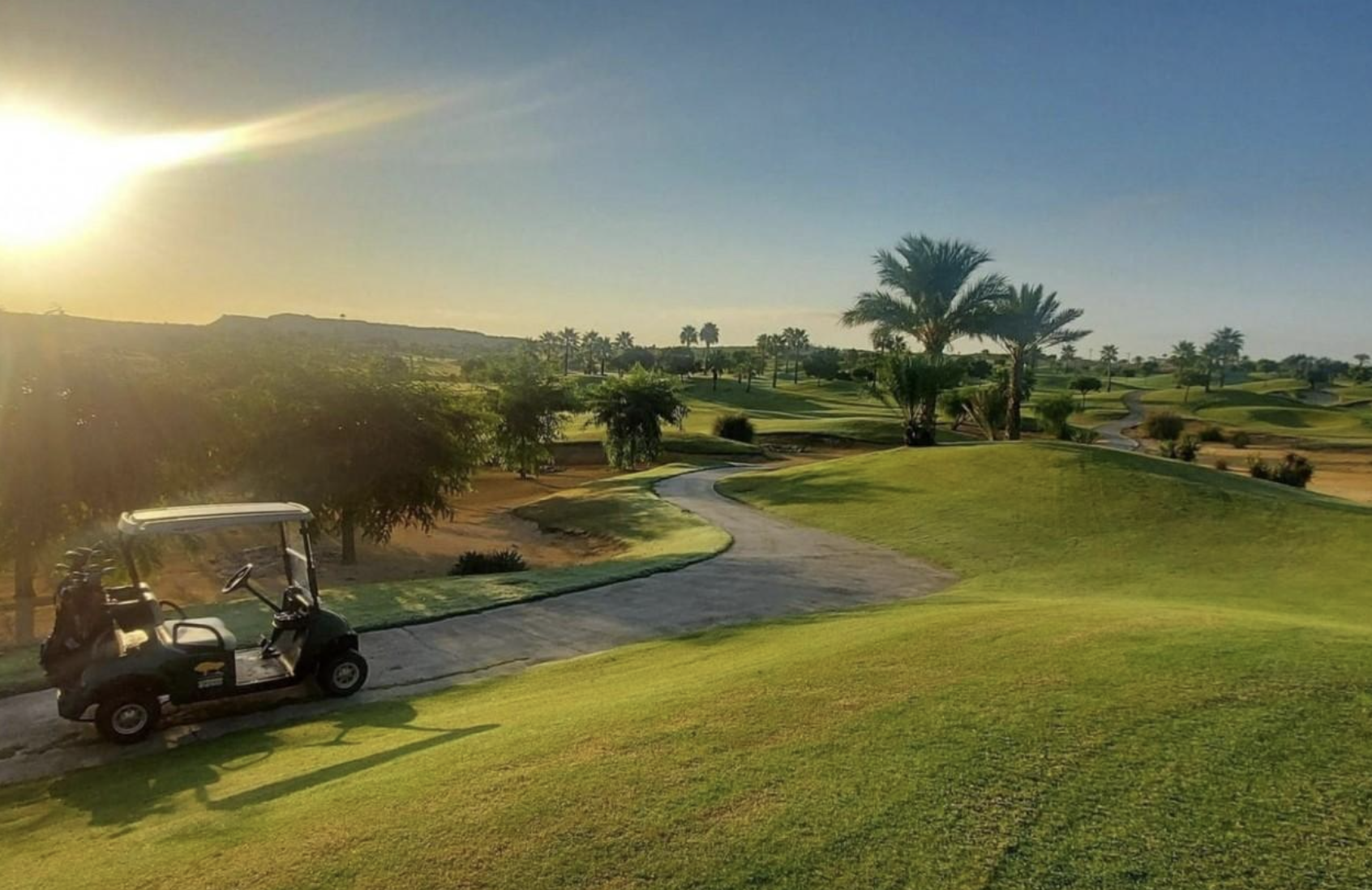
There is a version of La Quinta in July that almost no one outside the valley knows about: 6am, still relatively cool, the Santa Rosa Mountains catching the first light in shades of peach and copper, a golf cart humming through quiet streets, and essentially no one else around. The seasonal population is gone. The tourists are elsewhere. The city belongs to the people who chose to stay.
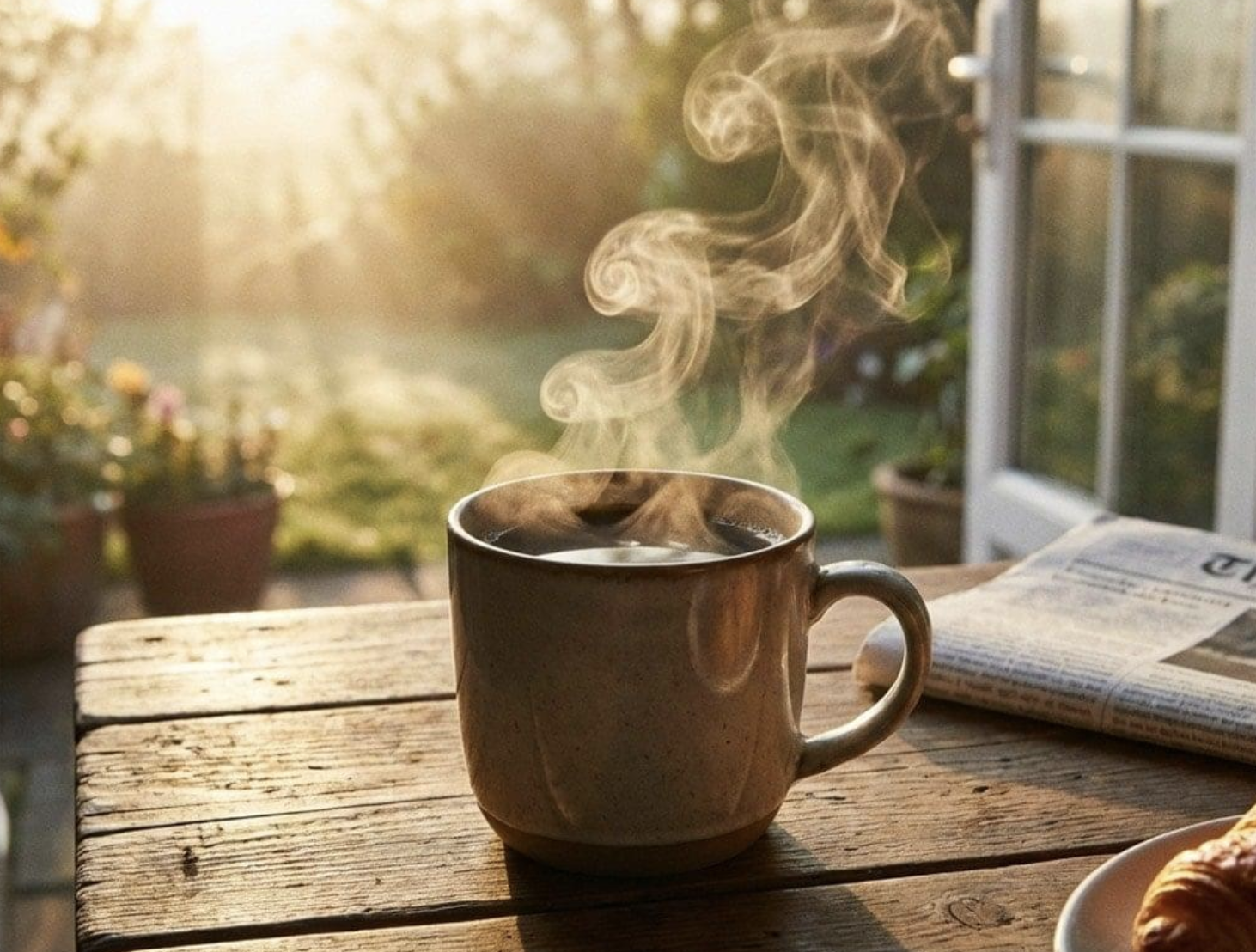
For full-time residents and the growing number of people spending summers in the desert by choice rather than obligation, this quiet is not a consolation prize. It is the main event. Mornings in summer La Quinta have a texture that the busy months simply cannot replicate — unhurried coffee, an earlier tee time with no wait, a hiking trail you share with bighorn sheep instead of other hikers.
Pool Culture Is the Season's True Currency
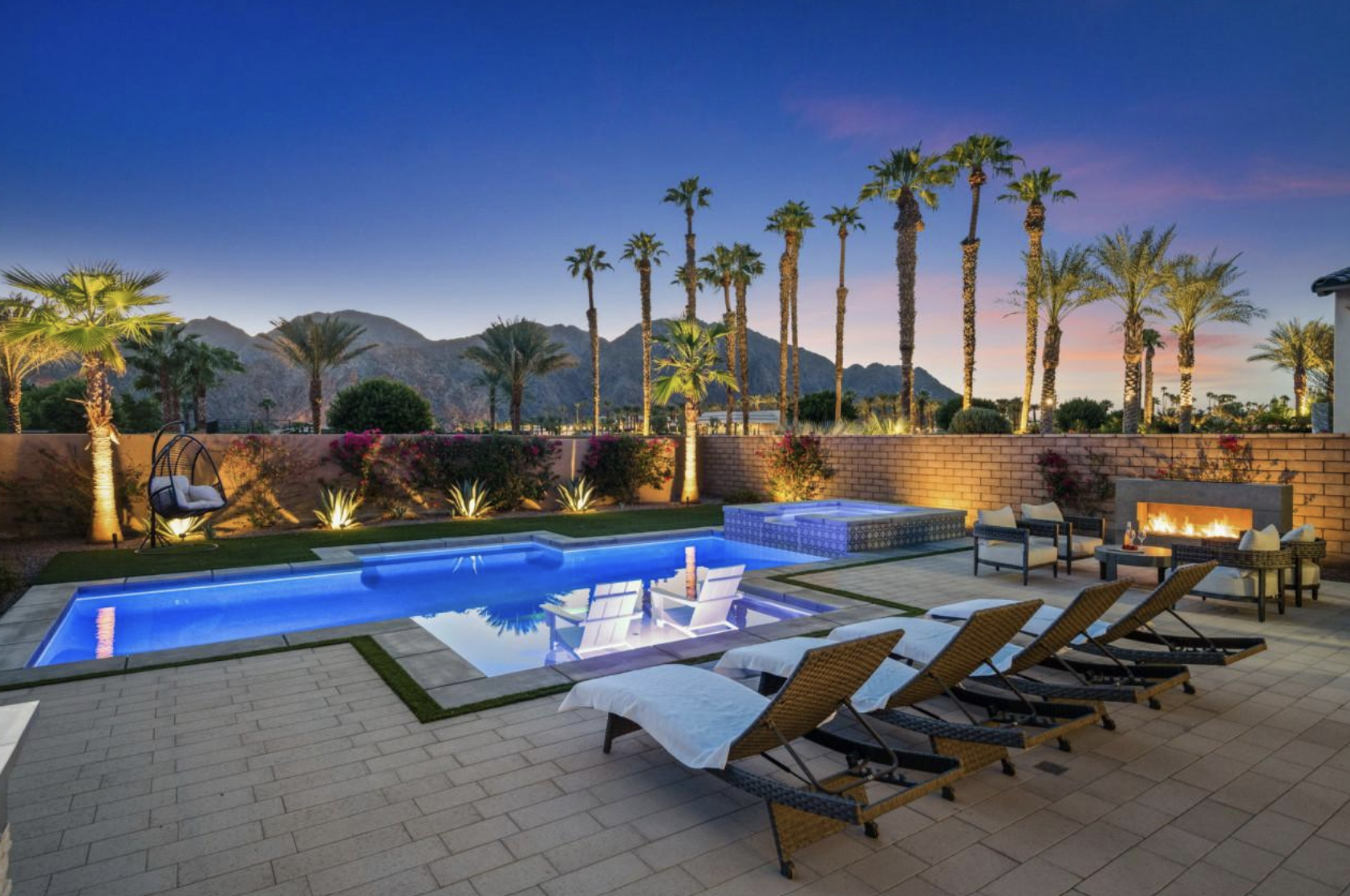
Every La Quinta home with a pool becomes a different kind of asset in summer. The outdoor living that the desert markets relentlessly in October actually lives its full expression in July: the decision to float in 100-degree air while the water stays a consistent 85 degrees is not a hardship. It is, for most residents who discover it, one of the best things about living here.
Evenings at the pool — after the day's heat breaks around 7pm and the light turns golden over the mountains — rival anything the cooler months produce for pure atmosphere. The winter has the social calendar and the tournament traffic. Summer has the sunsets and the silence.
Restaurants, Unrushed
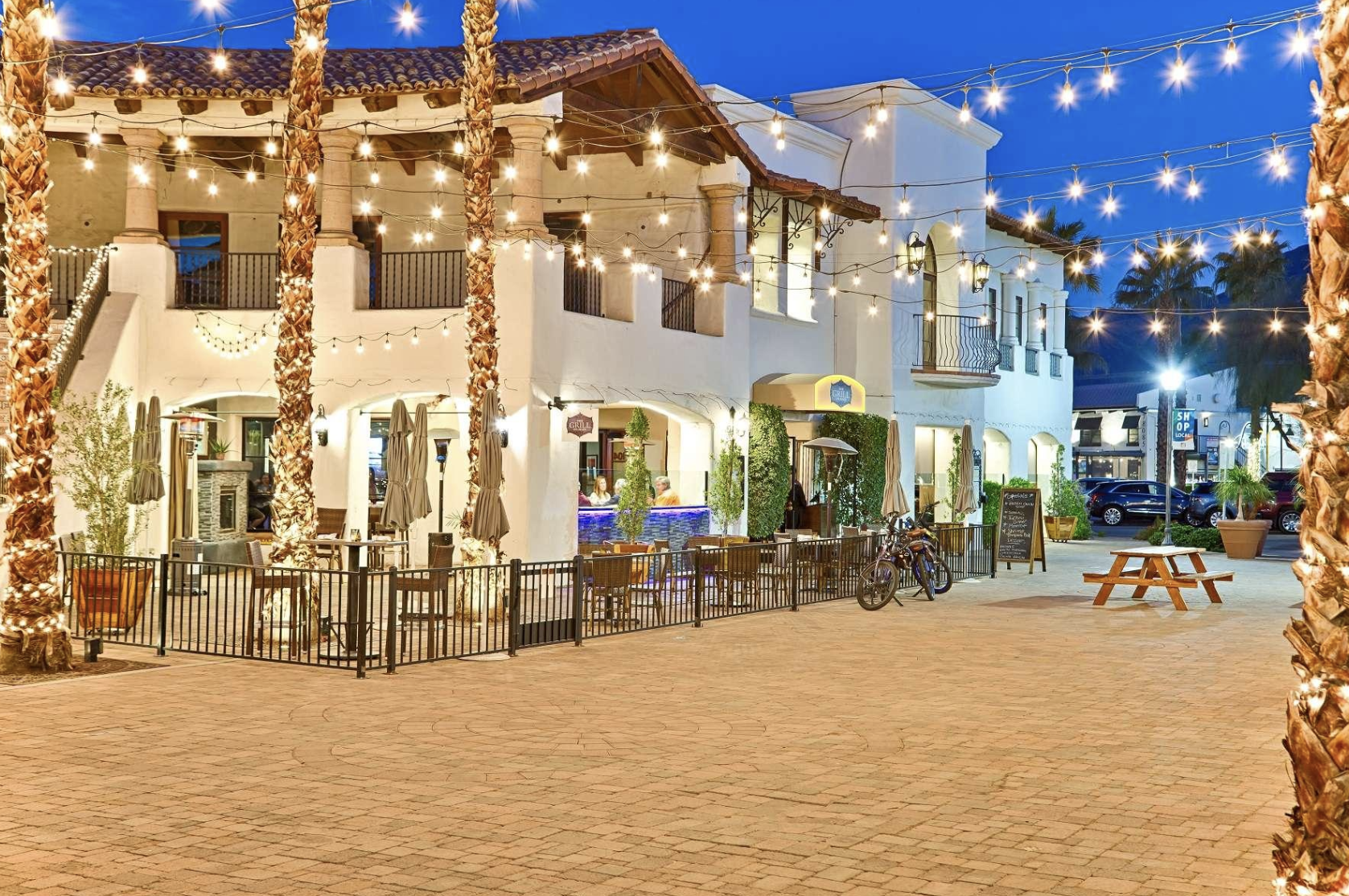
Anyone who has tried to get a table at a popular Old Town La Quinta restaurant on a Friday in February knows the challenge. The desert's restaurant scene, genuinely excellent by any comparison, is also genuinely crowded during season. Summer changes that equation completely.
The best restaurants stay open through the heat. The lines disappear. The patio tables that were booked three weeks out in March are available on a Tuesday with an hour's notice. For residents who actually use their local dining scene as part of their weekly routine — not just as a destination for visiting guests — summer is when that scene is at its most enjoyable.
The Heat Is Manageable — With the Right Mindset
The honest version: summer in La Quinta is genuinely hot. Triple digits are common from June through September. Anyone pretending otherwise is either not here in summer or has a very high heat tolerance. This is not a secret and it should not be packaged as one.
What is worth understanding is how desert heat differs from coastal humidity, and how modern desert living is structured around it. Homes in La Quinta are built for the climate — heavy insulation, efficient cooling systems, outdoor living spaces designed for the morning and evening hours rather than midday. The rhythm of life adjusts: early outdoor activity, midday indoors, evenings reclaimed once the temperature drops. People who fight that rhythm find summer hard. People who lean into it find a version of desert life that is, in its own way, just as rewarding as any other season.
The Valley Exhales
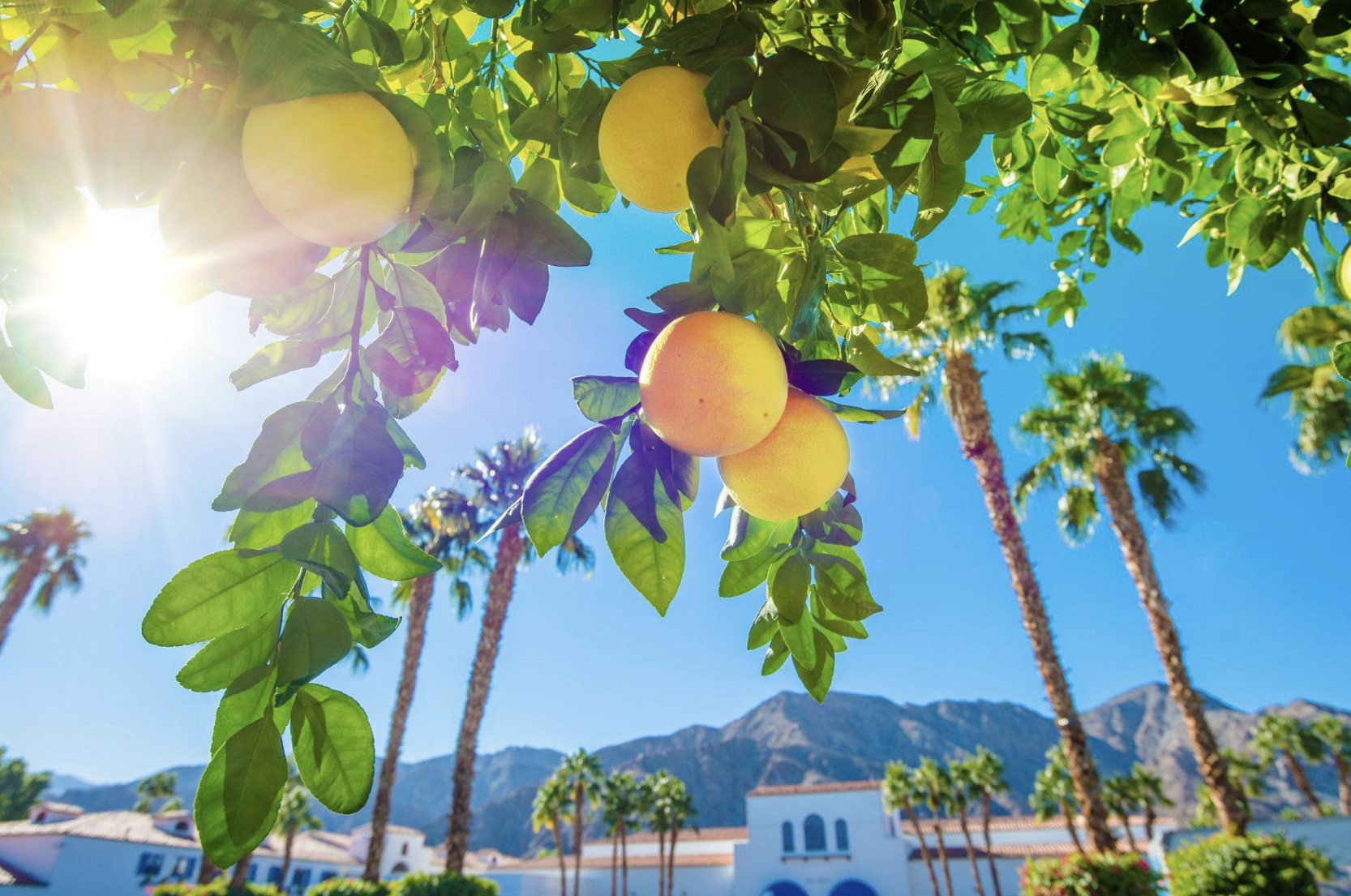
There is something else that happens in summer that is harder to quantify but easy to feel: the valley relaxes. The pressure of season — the social obligations, the tournament week schedules, the packed event calendars — evaporates. What is left is a quieter, more local version of La Quinta. Neighbors who actually know each other. Restaurants where the staff remember your order. A pace of life that operates on your terms rather than the valley's social calendar.
For residents who came here partly to escape the relentlessness of wherever they moved from, summer is the payoff. The desert doesn't ask much of you in July. It just asks you to stay, and slow down, and notice what's actually here.
The Practical Case
Summer is also, practically, the best time to get things done in your desert home. No season traffic means contractors actually show up on schedule. Renovations and improvements that would be impossible to manage in January — when every skilled tradesperson in the valley is booked weeks out — are accessible, affordable, and fast in summer. Buyers who closed in June or July consistently arrive at October with a home that is exactly as they want it, staged for season rather than still sorting itself out.