The Ultimate Guide to Buying a Luxury Home in La Quinta | 2025 Edition


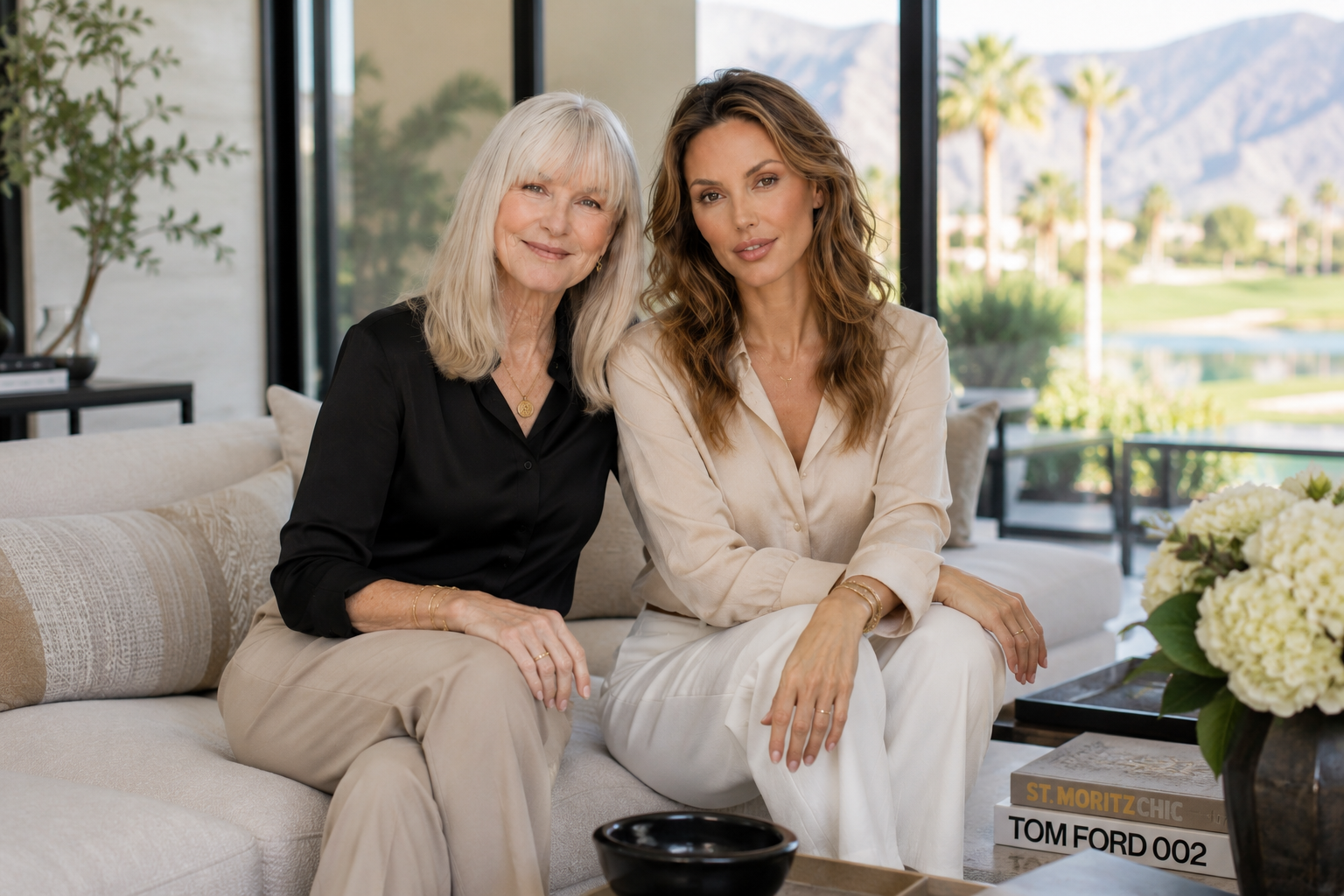
By Laurie McLennan and Cailin McLennan | Top Luxury Realtor | The McLennan Team | Desert Sotheby’s International Realty

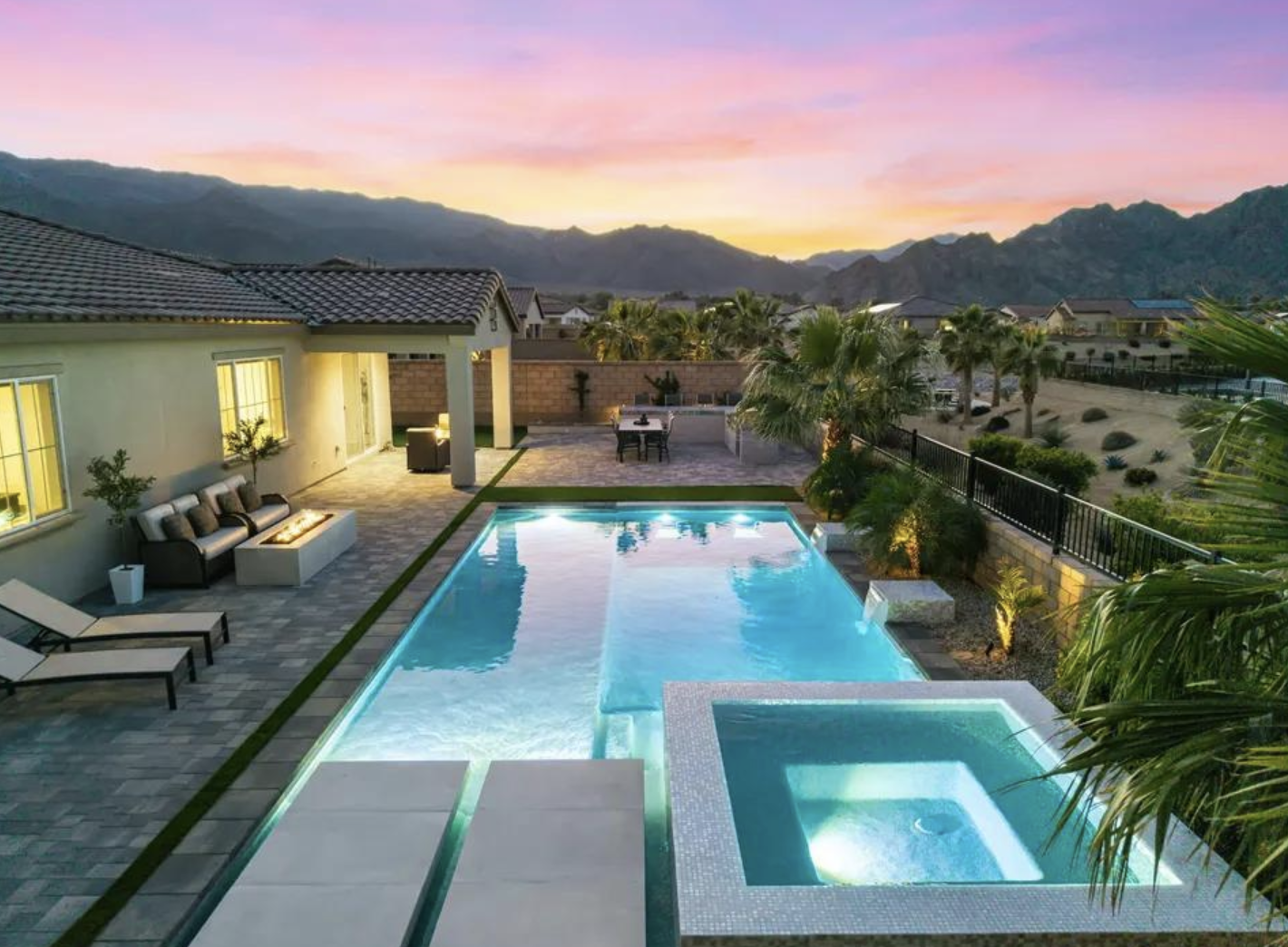
Why La Quinta Continues to Attract Luxury Buyers

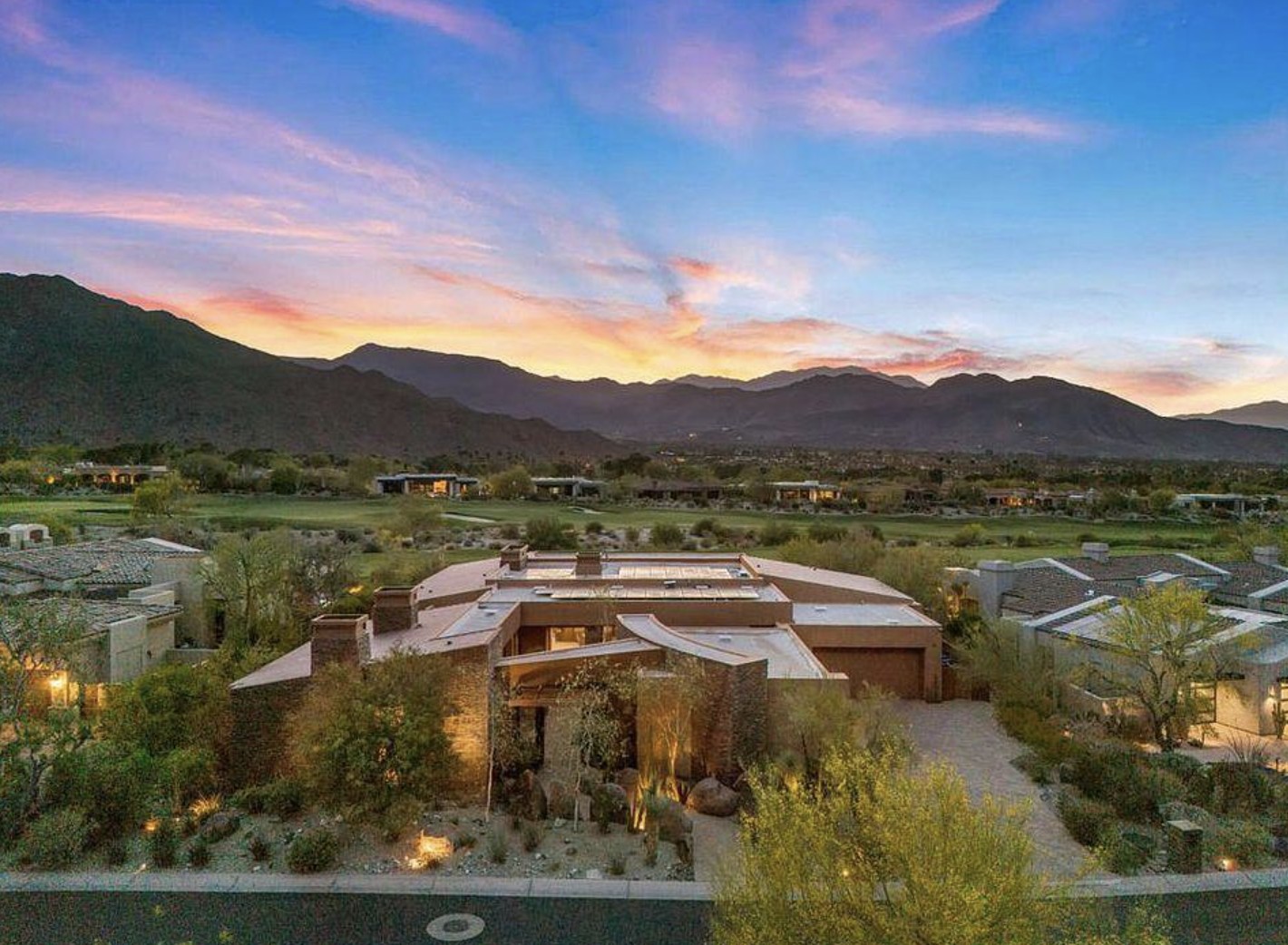
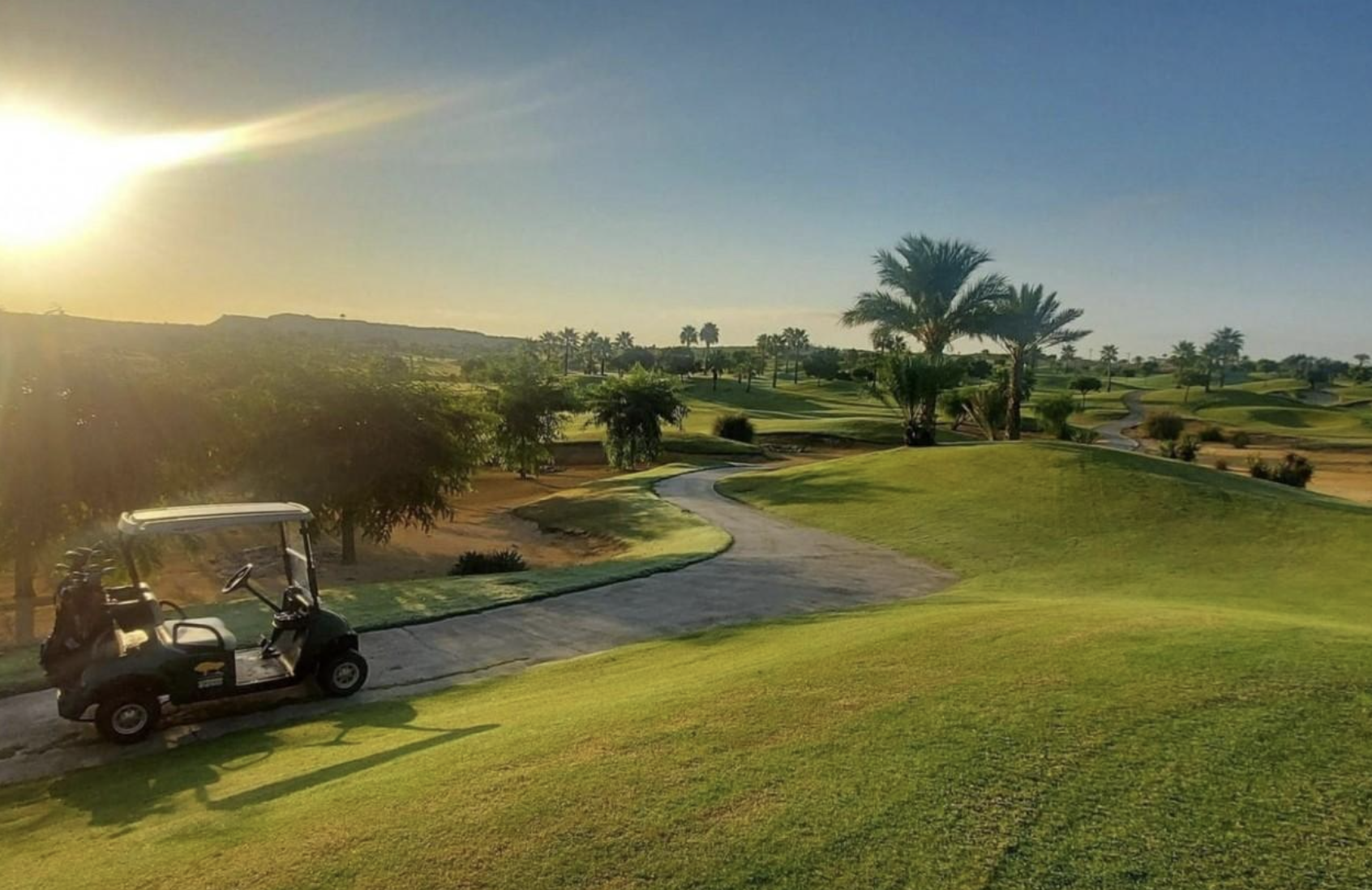
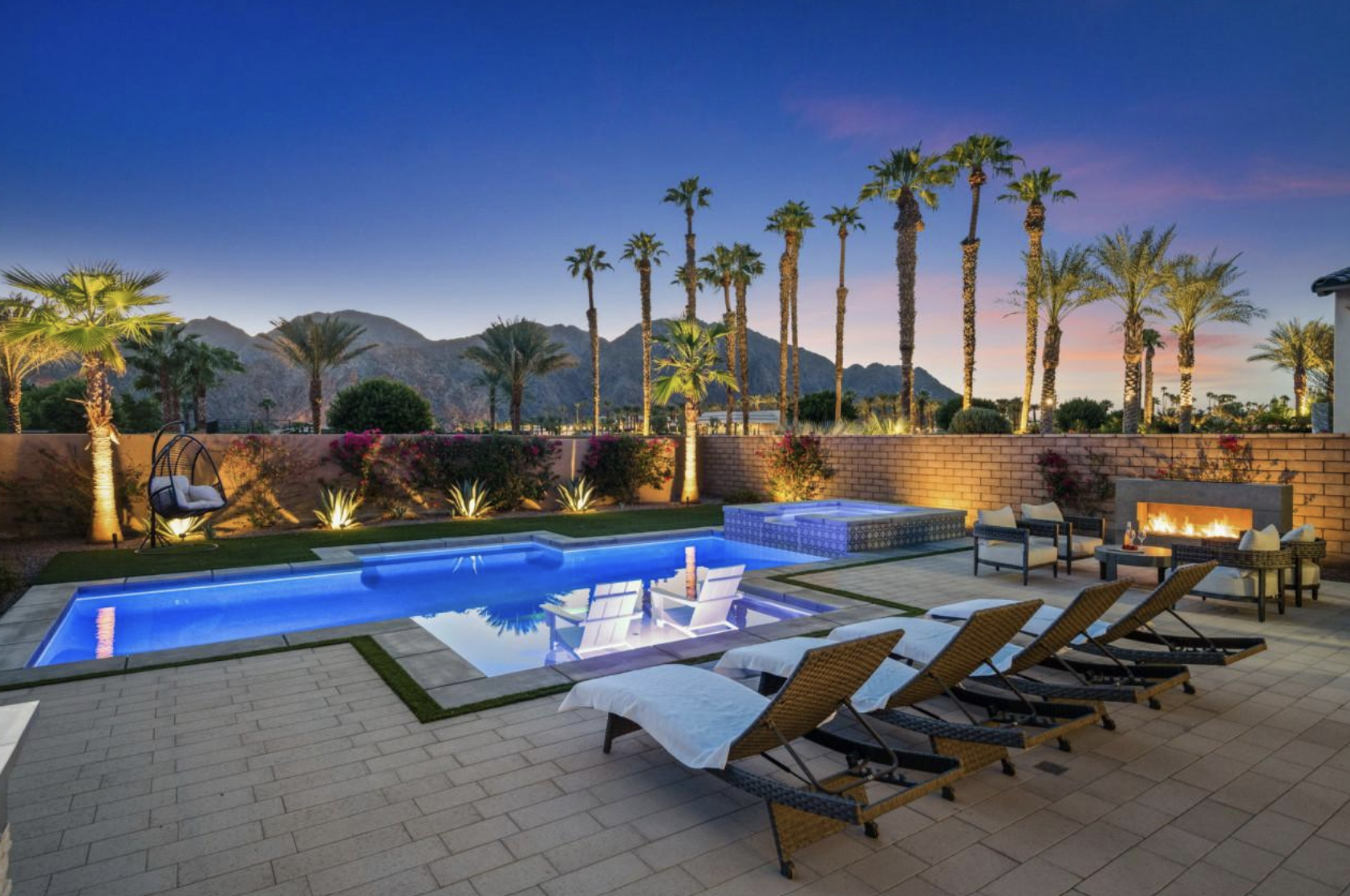
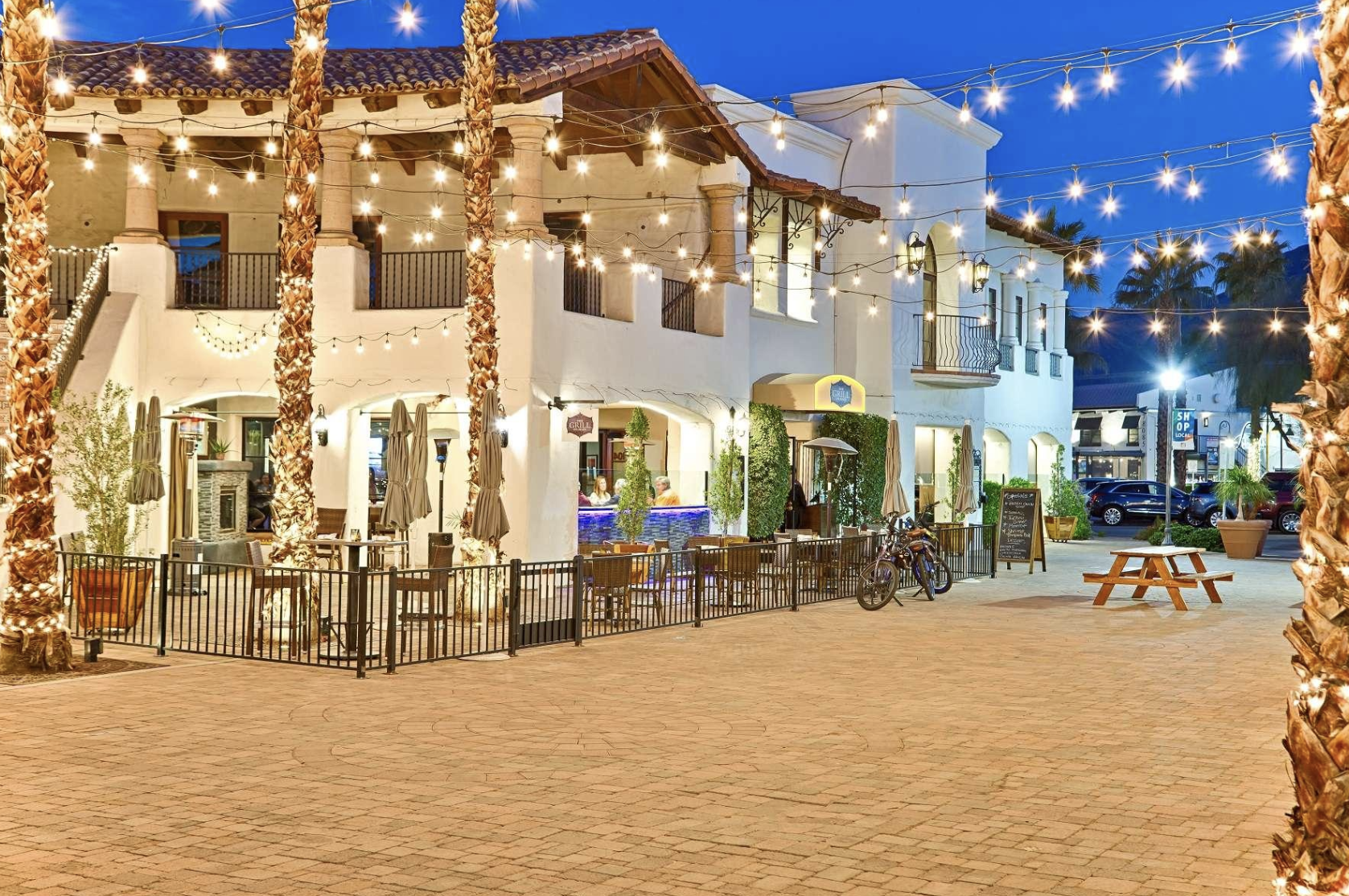
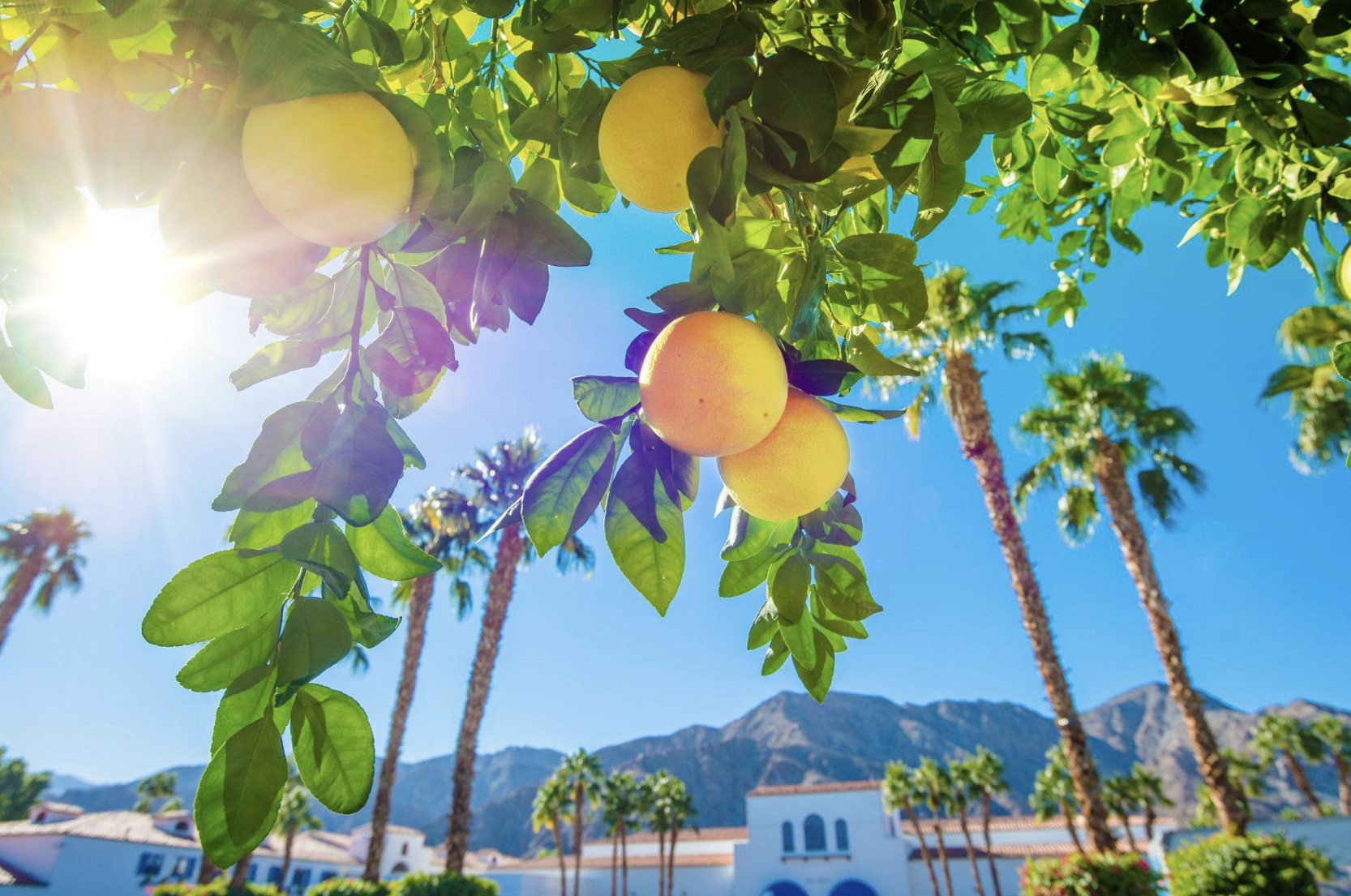
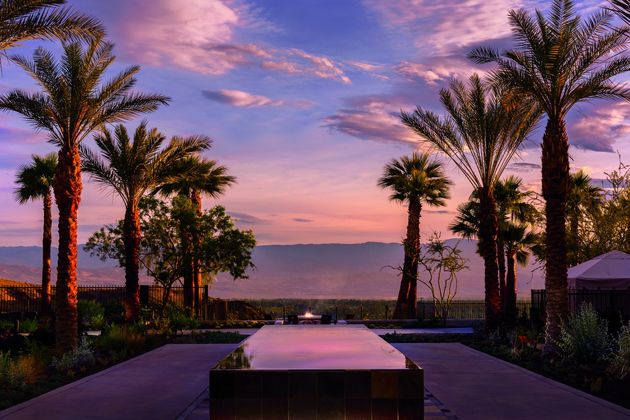
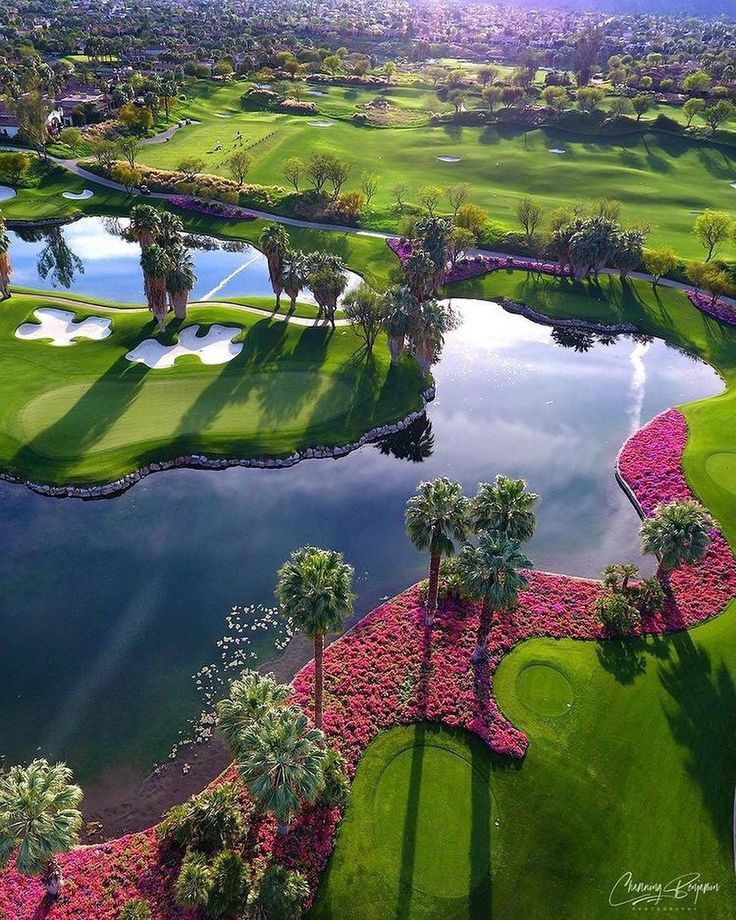
La Quinta is one of California’s fastest-growing luxury real estate destinations, known for its dramatic desert landscapes, mountain panoramas, world-class golf communities, exclusive private estates, and 300+ days of sunshine.

Affluent buyers from Los Angeles, Orange County, San Diego, the Bay Area, Vancouver, Toronto, and the Pacific Northwest increasingly choose La Quinta for:

  • Second homes

  • Seasonal escapes

  • Investment properties

  • Full-time desert living


Its combination of resort amenities, privacy, and lifestyle makes it one of the most desirable luxury markets in the Coachella Valley.

2025 La Quinta Luxury Real Estate Market Trends

The 2025 La Quinta real estate market is defined by:

Low Inventory in Premium Communities - Communities such as Madison Club, The Hideaway, Tradition, and Andalusia continue to have limited inventory, driving strong demand.

Rise in Cash Buyers - Over 50% of luxury purchases in 2024–2025 were cash transactions, creating a competitive landscape.

Growth from Remote Professionals & Early Retirees - Many buyers seek flexible living, warm weather, and a resort-style environment with modern homes.

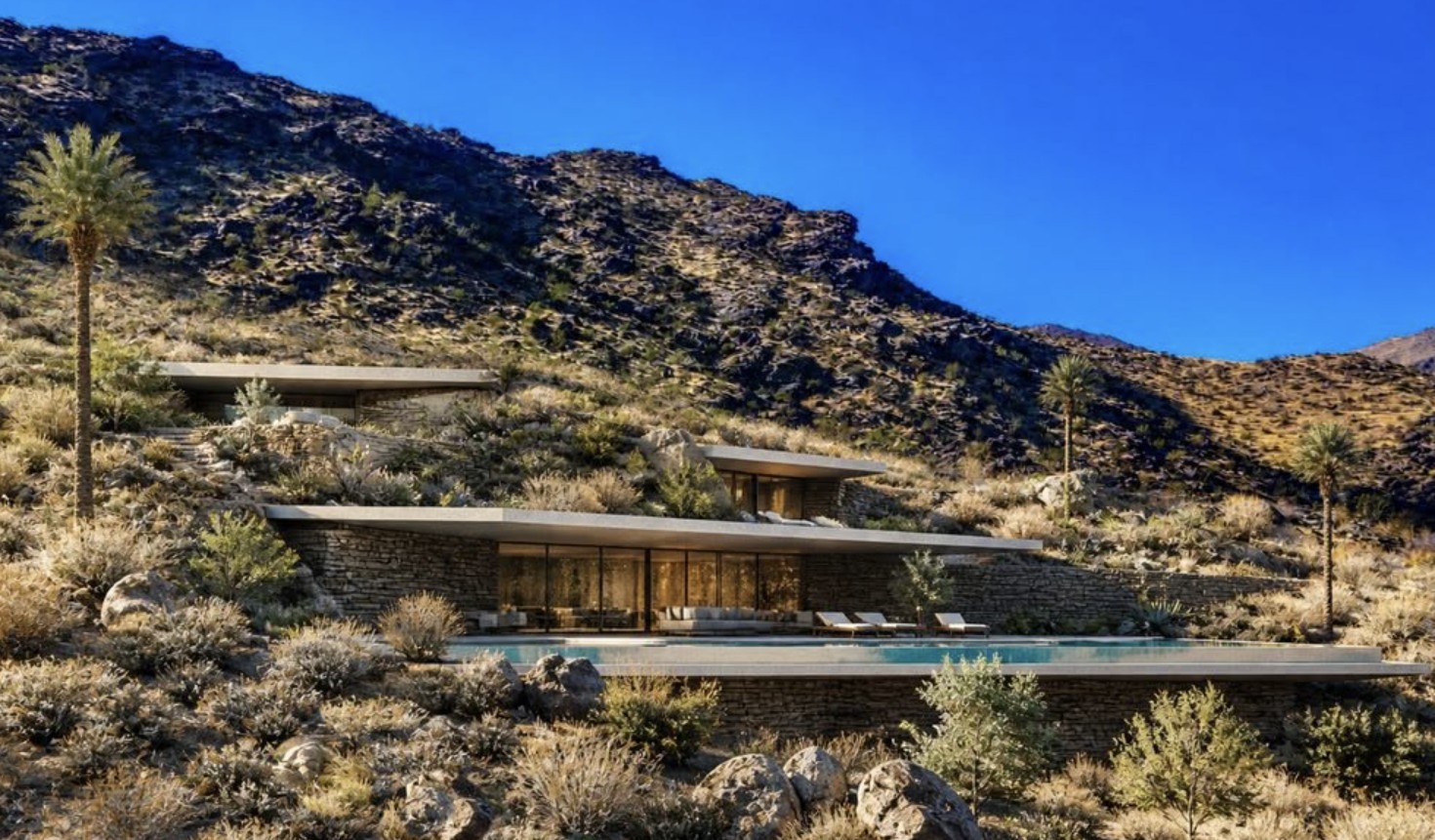
Demand for New Construction + Modern Architecture - Clean lines, open-concept living, and indoor–outdoor designs are top priorities.

Luxury Homes Selling Quickly ($3M–$8M) - Well-presented golf and view properties often go under contract within 2–4 weeks.

Expanded Equestrian Demand - Equestrian buyers are increasingly targeting La Quinta, Thermal, and Vista Santa Rosa due to proximity to DIHP (Desert International Horse Park).


Overall: La Quinta remains a stable, appreciating luxury market with strong long-term potential.

Top Luxury Communities in La Quinta

Madison Club

One of the most exclusive and private luxury communities in the United States, known for celebrity residents and ultra-luxe estates.

Price Range: $5M–$20M+

Highlights:

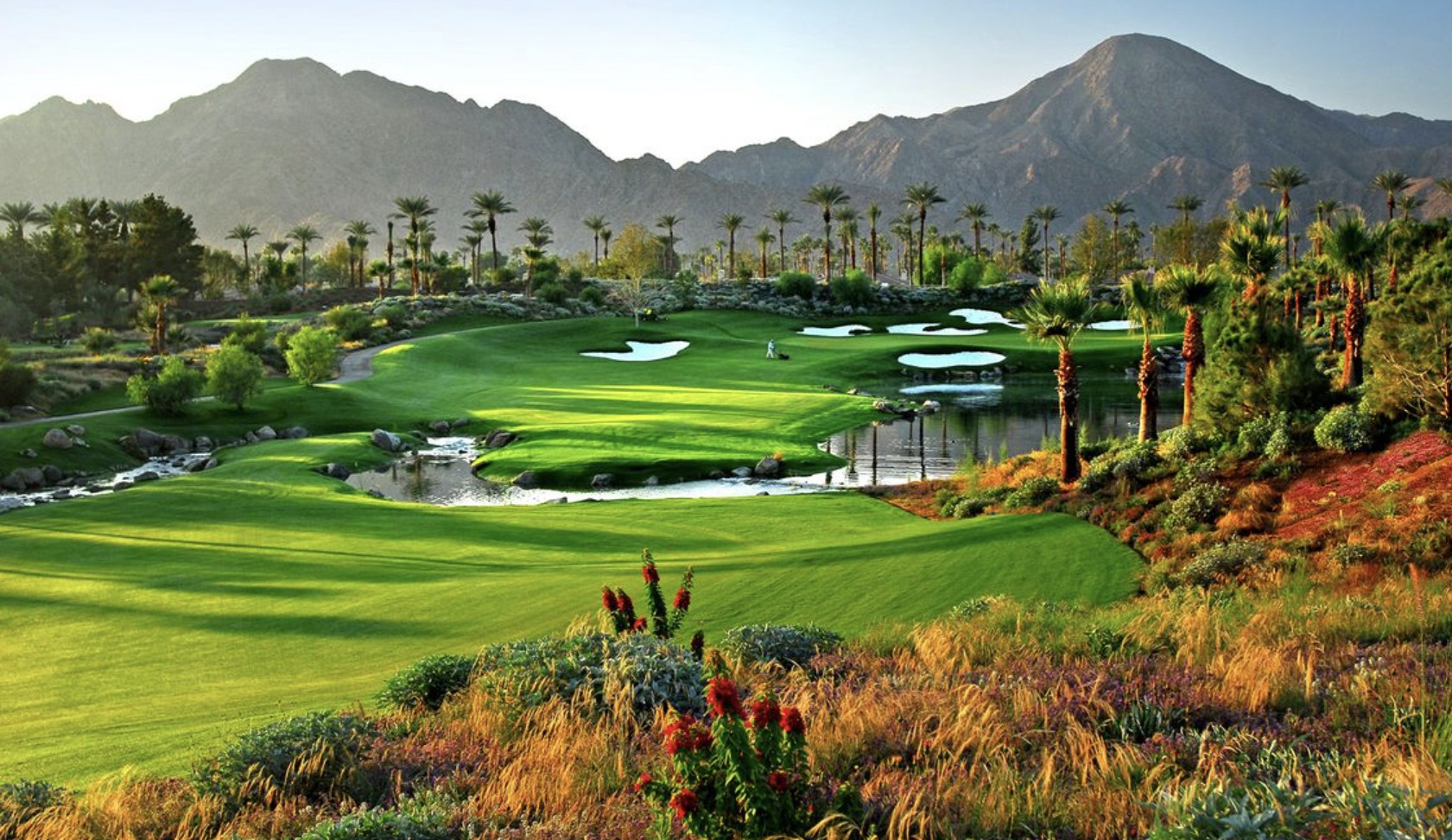
  • Tom Fazio championship golf course

  • Unmatched privacy and exclusivity

  • Private dining, spa, and concierge services

  • Modern, custom, resort-style estates

  • Ultimate indoor–outdoor living

  • Extremely limited inventory

  • A-list resident base

Ideal For:


  • Ultra-luxury buyers

  • Celebrities and high-net-worth families

  • Privacy-focused clients

  • Buyers wanting personalized concierge lifestyle

Tradition Golf Club

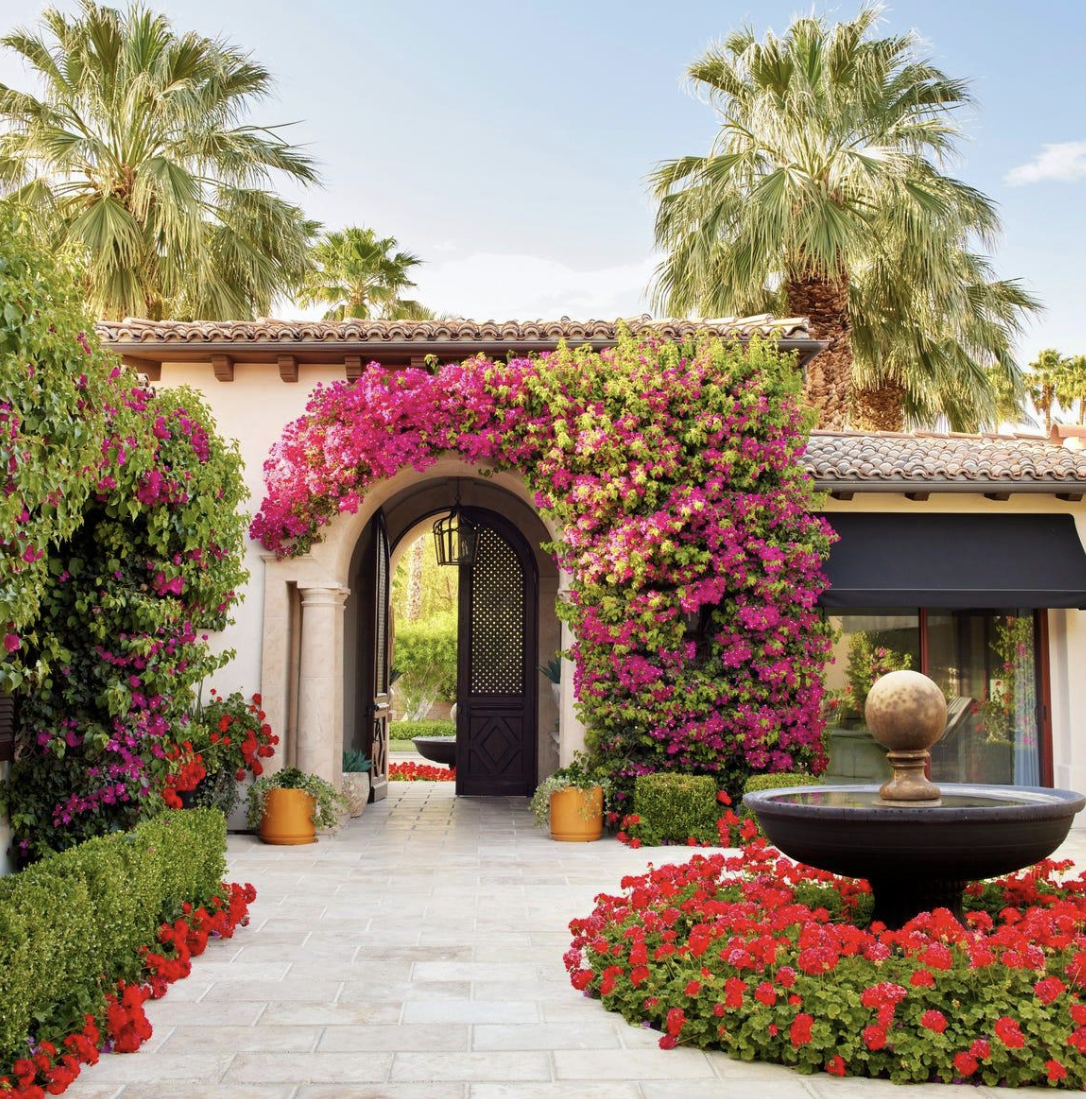
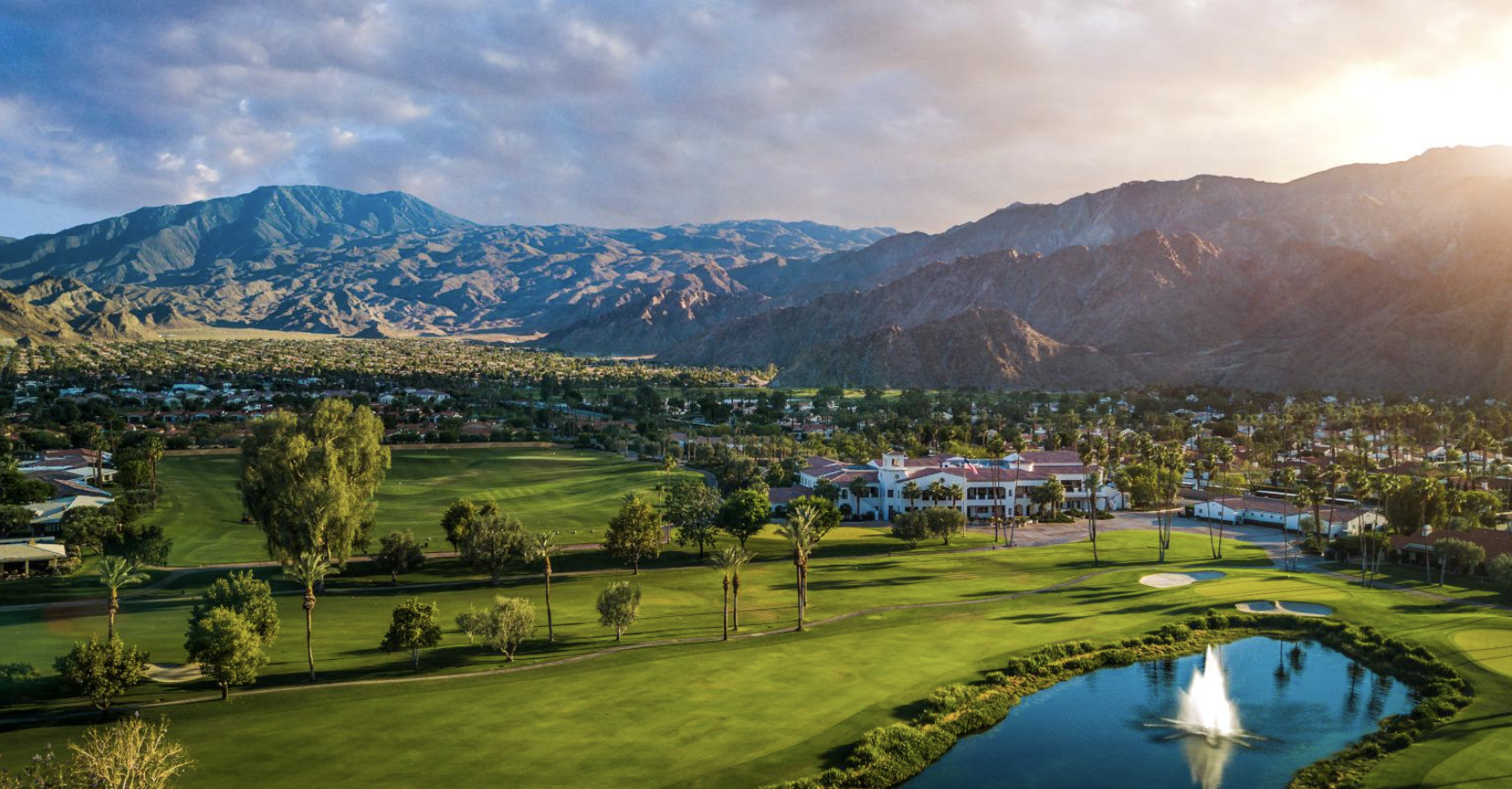
A warm, charming community blending Spanish architectural elements with private, luxurious living.

Price Range: $2.5M–$10M+

Highlights:

  • Arnold Palmer–designed course

  • Spanish + Mediterranean-inspired estates

  • Intimate, boutique club atmosphere

  • Mountain backdrop with spectacular sunsets

  • Clubhouse with historic charm

  • Highly walkable and beautifully landscaped

Ideal For:


  • Buyers wanting classic desert architecture

  • Retirees & full-time residents

  • Golfers looking for a more relaxed, charming environment

Andalusia Country Club

A resort-style luxury community framed by dramatic mountain views, Mediterranean architecture, and an active lifestyle club culture.

Price Range: ~$1.6M–$4.8M

Highlights:

  • Rees Jones championship golf course

  • High-end fitness center and wellness programs

  • Tennis, pickleball, and lap pools

  • Social events and club gatherings

  • Stunning Mediterranean design

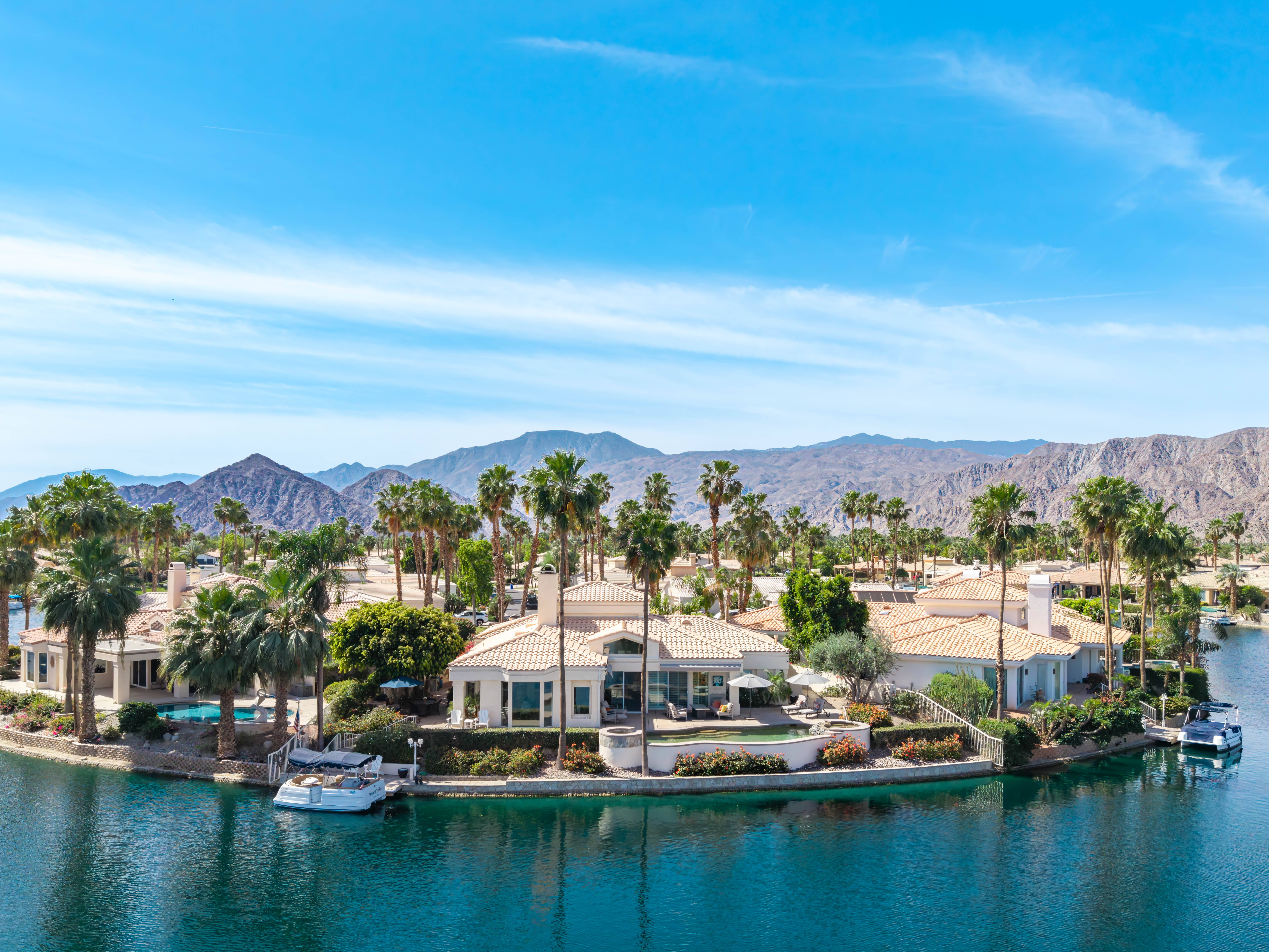
  • Panoramic lake + mountain views

  • Wide streets and spacious lots

Ideal For:

  • Active-lifestyle buyers

  • Golf enthusiasts

  • Full-time residents

  • Buyers wanting a social, community-oriented environment

The Quarry Golf Club

An ultra-private, architecturally significant enclave built around one of the most elite golf courses in the country.

Price Range:

  • Home sites: ~$850,000–$1.2M

  • Custom estates: ~$2M–$12M+

Highlights:

  • Tom Fazio–designed Top-100 golf course

  • Extremely private and low-density (approx. 100 homes)

  • Elevated terrain with dramatic mountain views

  • Custom homes with unique architecture

  • Exclusive membership program

  • No crowds, no congestion, maximum privacy

Ideal For:


  • High-net-worth buyers wanting privacy

  • Golf purists

  • Custom-home clients

  • Buyers seeking the most exclusive desert retreat


The Hideaway

A private club featuring two award-winning golf courses, elegant estate neighborhoods, and a refined social atmosphere.

Price Range: $3M–$12M+

Highlights:

  • Private equity club

  • Two Clive Clark-designed golf courses

  • Modern + custom homes

  • Stunning views and lush landscaping

  • Full wellness, spa, and fitness center

  • Vibrant social scene

  • Architectural diversity + curated neighborhoods

Ideal For:


  • Buyers who want modern luxury

  • Golfers who prefer privacy

  • Seasonal residents

  • Buyers seeking a high-end community with strong amenities

PGA West

Known as the “Home of Western Golf,” PGA West offers guard-gated neighborhoods, golf-course estates, and sweeping Santa Rosa Mountain views.

Price Range: High $1Ms–$6M+

Highlights:

  • Seven world-famous golf courses (Nicklaus, Palmer, Stadium)

  • Guard-gated and patrolled community

  • Mountain + fairway views

  • Multiple clubhouses, fitness, spa, tennis

  • Restaurants + member events

  • STR-friendly in select enclaves (rare advantage)

  • Mix of condos, single-family homes, and estates

Ideal For:


  • Golfers

  • Second-home buyers

  • Investors seeking STR-approved areas


Equestrian Access + Proximity to DIHP and Polo

For equestrians, La Quinta is a rare gem.

Close Proximity to Key Equestrian Destinations

  • Desert International Horse Park (DIHP)
  • Eldorado Polo Club
  • Empire Polo Club
  • Vista Santa Rosa equestrian estates
  • Thermal acreage properties

What Equestrian Buyers Look For

  • Zoning & permitted uses

  • Arena size + footing

  • Barn layouts

  • Irrigation systems

  • Trailer access

  • Guest barns or ADUs


As both an equestrian and a realtor, Laurie specializes in guiding buyers through these unique requirements.

How to Choose the Right Realtor in La Quinta

Luxury real estate requires:

  • Local expertise

  • Deep community access

  • Discretion

  • Strong agent relationships

  • Expertise in clubs, HOAs, + memberships

  • Negotiation strength

  • Equestrian + relocation knowledge

Laurie and Cailin McLennan brings a combination of luxury real estate experience, high-end hospitality, and equestrian expertise that sets them apart in the La Quinta and Coachella Valley market.

Final Checklist for 2025 Luxury Buyers

  • Identify your lifestyle preferences (golf, modern, equestrian, private club)

  • Choose communities aligned with that lifestyle

  • Define your target price point

  • Understand club membership requirements

  • Review HOA and rental regulations

  • Preview homes at different times of day

  • Assess seasonal market patterns

  • Partner with a La Quinta luxury specialist

Ready to Tour Luxury Homes in La Quinta?

Contact Laurie McLennan | The McLennan Team |Desert Sotheby’s
📞 760-413-6190
📧 llmclennan@gmail.com
🌐 Website

Frequently Asked Questions 

Q: Is La Quinta a good place to buy a luxury home in 2025?
Yes — strong demand, limited inventory, and high-end communities make La Quinta one of California’s top luxury markets.

Q: What are the best neighborhoods for luxury homes in La Quinta?
Madison Club, The Hideaway, PGA West, Tradition, Andalusia, Rancho La Quinta, and Mountain View Country Club.

Q: What’s the typical price range for La Quinta luxury real estate?
Most luxury homes range from $1M to over $12M depending on community, view, architecture, and amenities.


Q: Is La Quinta good for equestrian buyers?
Absolutely — many buyers choose La Quinta, Thermal, Indio, and Vista Santa Rosa for proximity to DIHP and the polo clubs.


July 16, 2026

What Buyers Are Actually Thinking During a Showing — And How Sellers Can Use That

Most sellers prepare for a showing by cleaning the house. The sellers who actually close prepare for it by understanding what a buyer's mind is doing from the moment they pull into the driveway.

These are not the same preparation. One produces a tidy home. The other produces an offer.

Here is what buyers are actually thinking during a luxury showing in La Quinta — and what sellers can do about each of it.

The Decision Is Made in the First 90 Seconds

Research on buyer behavior consistently shows that the emotional decision — not "I'll make an offer" but "I could live here" — is made within the first minute and a half of arrival. What happens in that window: the approach to the front door, the entry, the first sightline into the main living space or out to a view. That is the sequence that determines whether the rest of the showing is a buyer looking for reasons to love the home or reasons to leave it.

In La Quinta specifically, this means the outdoor approach and the indoor-outdoor transition are not supporting details — they are the showing. A buyer arriving at a PGA West fairway home or a Hideaway estate is coming for a feeling: the desert light, the mountain air, the sense that life here operates at a different pace. Everything that greets them in those first 90 seconds either confirms or undercuts that feeling.

Sellers who invest in front entry landscaping, clean exterior tile and pavers, and a front door that looks intentional rather than weathered will consistently perform better in showings than sellers who save those details for "later."

They Are Mentally Moving In Within the First Five Minutes

A buyer who is genuinely interested will begin mentally furnishing and inhabiting the home within the first five minutes. They will start mapping their furniture against the floor plan, imagining where the morning coffee happens, whether the primary suite works for how they actually sleep and move in the morning.

This is why staging matters at a deeper level than aesthetics. The goal is not to make the home look beautiful — it is to make it easy for a buyer to project their own life into the space. Rooms with too much furniture, too many personal items, or furniture scaled to the wrong proportion for the room interrupt that projection. Rooms that breathe, that have clear sightlines, that feel spacious without feeling empty, consistently convert more browsers into buyers.

For vacant properties, professional staging is almost always worth it at the luxury level. An unfurnished 3,500-square-foot home is a math exercise. A professionally staged one is a feeling.

They Are Solving Problems Before They Find Them

Experienced luxury buyers arrive at a showing actively looking for deferred maintenance, functional issues, and anything that will require money or time after closing. They are not doing this consciously to find fault — they are doing it because they have been burned before, or because they simply know that at $1.5 million or $4 million or $15 million, the due diligence has to be thorough.

A seller who pre-empts this by providing a recent home inspection, disclosing known items proactively, and having receipts for recent improvements available is communicating something important: this is a well-maintained home with nothing to hide. That communication reduces buyer anxiety, accelerates the decision-making timeline, and tends to produce cleaner offers with fewer contingencies.

The seller who hopes buyers won't notice the HVAC that is three years past its service date, the cracked pool coping, or the gate latch that sticks will discover that buyers do notice — and that undisclosed issues discovered during escrow are far more expensive to negotiate around than disclosed ones.

They Are Doing the Math on Total Cost of Ownership

In La Quinta's golf communities, a sophisticated buyer is not just evaluating the purchase price — they are mentally totaling HOA dues, membership fees, property taxes, estimated utility costs, and any obvious near-term capital expenditures the home might require. By the time they reach the kitchen or the primary suite, they have already begun a rough mental model of what this home actually costs per month to own.

Sellers who make this calculation easy — by having HOA documents, membership cost information, and recent utility bills available at the showing — demonstrate transparency and respect for a buyer's decision-making process. Sellers who make it hard, or who are vague about fees, tend to generate offers with more contingencies and more renegotiation as buyers uncover the details later.

What Sellers Can Do With All of This

The sellers who fare best in this market in 2026 are the ones who think like buyers. They walk their own home from the driveway, note everything that disrupts the first-90-seconds feeling, and fix it before the first showing. They stage for space rather than style. They disclose proactively rather than hoping. They make the financial picture easy to understand rather than murky.


None of this is complicated. All of it is work. The sellers who do it consistently outperform the sellers who don't, regardless of which direction the broader market is moving.

Preparing to list this summer or fall? Let's walk your home together before it goes live.

July 10, 2026

Why Summer in the Desert Is Better Than You Think

Nobody moves to La Quinta expecting to love July. The brochure version of desert living — the American Express tournament, Sunday polo, the Saturday farmers market, a packed Old Town calendar — is a winter story. July is the part people assume they'll just endure.

And then they spend a summer here. And most of them stop enduring it.

This is that story — not the polished version, but the honest one from people who actually live here through the heat.

The Morning Belongs to You

There is a version of La Quinta in July that almost no one outside the valley knows about: 6am, still relatively cool, the Santa Rosa Mountains catching the first light in shades of peach and copper, a golf cart humming through quiet streets, and essentially no one else around. The seasonal population is gone. The tourists are elsewhere. The city belongs to the people who chose to stay.

For full-time residents and the growing number of people spending summers in the desert by choice rather than obligation, this quiet is not a consolation prize. It is the main event. Mornings in summer La Quinta have a texture that the busy months simply cannot replicate — unhurried coffee, an earlier tee time with no wait, a hiking trail you share with bighorn sheep instead of other hikers.

Pool Culture Is the Season's True Currency

Every La Quinta home with a pool becomes a different kind of asset in summer. The outdoor living that the desert markets relentlessly in October actually lives its full expression in July: the decision to float in 100-degree air while the water stays a consistent 85 degrees is not a hardship. It is, for most residents who discover it, one of the best things about living here.

Evenings at the pool — after the day's heat breaks around 7pm and the light turns golden over the mountains — rival anything the cooler months produce for pure atmosphere. The winter has the social calendar and the tournament traffic. Summer has the sunsets and the silence.

Restaurants, Unrushed

Anyone who has tried to get a table at a popular Old Town La Quinta restaurant on a Friday in February knows the challenge. The desert's restaurant scene, genuinely excellent by any comparison, is also genuinely crowded during season. Summer changes that equation completely.

The best restaurants stay open through the heat. The lines disappear. The patio tables that were booked three weeks out in March are available on a Tuesday with an hour's notice. For residents who actually use their local dining scene as part of their weekly routine — not just as a destination for visiting guests — summer is when that scene is at its most enjoyable.

The Heat Is Manageable — With the Right Mindset

The honest version: summer in La Quinta is genuinely hot. Triple digits are common from June through September. Anyone pretending otherwise is either not here in summer or has a very high heat tolerance. This is not a secret and it should not be packaged as one.

What is worth understanding is how desert heat differs from coastal humidity, and how modern desert living is structured around it. Homes in La Quinta are built for the climate — heavy insulation, efficient cooling systems, outdoor living spaces designed for the morning and evening hours rather than midday. The rhythm of life adjusts: early outdoor activity, midday indoors, evenings reclaimed once the temperature drops. People who fight that rhythm find summer hard. People who lean into it find a version of desert life that is, in its own way, just as rewarding as any other season.

The Valley Exhales

There is something else that happens in summer that is harder to quantify but easy to feel: the valley relaxes. The pressure of season — the social obligations, the tournament week schedules, the packed event calendars — evaporates. What is left is a quieter, more local version of La Quinta. Neighbors who actually know each other. Restaurants where the staff remember your order. A pace of life that operates on your terms rather than the valley's social calendar.

For residents who came here partly to escape the relentlessness of wherever they moved from, summer is the payoff. The desert doesn't ask much of you in July. It just asks you to stay, and slow down, and notice what's actually here.

The Practical Case


Summer is also, practically, the best time to get things done in your desert home. No season traffic means contractors actually show up on schedule. Renovations and improvements that would be impossible to manage in January — when every skilled tradesperson in the valley is booked weeks out — are accessible, affordable, and fast in summer. Buyers who closed in June or July consistently arrive at October with a home that is exactly as they want it, staged for season rather than still sorting itself out.

July 9, 2026

What Luxury Buyers Actually Want to See Before They Ever Tour


In a market where buyers have more inventory to choose from than they have in years, there is no longer a version of "the home will sell itself." Every luxury listing is competing for a buyer's attention on a screen before it ever competes for their feet on the floor.

That is a meaningfully different challenge than it was in 2022, and sellers who recognize the shift and prepare for it are the ones closing deals in 90 days or less. Sellers who haven't adjusted are the ones watching their listing clock tick past the 120-day mark wondering what went wrong.

Here is what today's luxury buyer actually wants to see — before they ever pick up the phone to book a tour.

A Visual Package That Matches the Price Tag

There is a version of real estate photography that documents a home, and there is a version that sells it. They do not look alike.

Documentation photography tells a buyer what rooms exist and roughly how large they are. Sale photography tells a buyer how it feels to live there. The difference is light, staging, sequencing, and the decision to shoot at the hour when the home is genuinely at its best rather than the hour that fits the photographer's schedule.

In La Quinta, this matters more than almost anywhere else in California. The product is inherently visual — golf course frontage, mountain backdrops, Santa Rosa sunset light, resort-style outdoor living spaces — and a photography package that doesn't capture those things has failed before the buyer ever opens the front door.

For any La Quinta luxury listing priced at $750,000 and above, a minimum baseline should include: professional twilight or golden-hour exterior photography, drone aerials showing course and mountain context, a complete interior shoot with proper staging, and a video walkthrough or reel that conveys the home's flow and scale in motion. This is not optional at this price point. It is table stakes.

Staging That Lets the Home Breathe

Luxury buyers in 2026 are not shopping for your furniture. They are shopping for space, light, proportion, and possibility. Overstuffed rooms, personal photography on every surface, and furniture scaled to the wrong size for the room all work against a buyer's ability to project themselves into the home.

The goal of staging in a luxury listing is not to make the home look decorated. It is to make it look spacious, serene, and livable in a way that feels aspirational without feeling like a showroom. Desert luxury has its own aesthetic language — warm neutrals, natural textures, indoor-outdoor flow, mountain views through windows that aren't obscured by heavy drapes — and staging that works with that language rather than against it consistently performs better in this market.

For vacant or between-tenant properties, professional staging is almost always worth the investment at the luxury level. An empty 3,000-square-foot home photographs poorly and tours poorly, both issues that staging solves in a single decision.

A Digital Presence That Functions as a Remote Due-Diligence Package

The buyer most likely to purchase a luxury home in La Quinta in 2026 may not live within driving distance. They are researching remotely — watching listing videos, reading community guides, reviewing HOA documents — before they commit to a flight and a calendar block. The listing that functions as a complete remote research experience converts that remote interest into a tour booking. The listing that doesn't gets scrolled past.

What a strong digital listing presence looks like at this level: a property website or dedicated landing page, not just an MLS sheet; a video or reel that conveys the home's setting and lifestyle, not just its rooms; written copy that tells the story of the property — its position in the community, its view corridor, what daily life actually looks like from this specific address; and response infrastructure that makes it easy for a remote buyer to ask a question and get a substantive answer quickly.

Buyers at the luxury level are often accustomed to fast, high-quality service in other areas of their lives. The buying process should feel like an extension of that standard, not a step down.

Honest, Accurate Pricing From the Start

This is worth repeating from last week because it is the underlying condition that makes everything else work. A listing can have the most beautiful photography in the valley and a perfect digital presence and still sit if it is priced for a market that no longer exists.

The visual package earns the tour. The pricing earns the offer. Both have to be right, and the order matters — price it wrong first and the beautiful photography just makes the expired listing more memorable.


Thinking about listing this summer or this fall? Let's talk about presentation and pricing strategy before you go live.

July 8, 2026

The Ultimate Guide to The Hideaway Golf Club, La Quinta — Homes, Golf, Membership & Lifestyle

Introduction: The Social Club La Quinta Insiders Choose

There are golf communities in the Coachella Valley that are built around prestige and exclusivity for its own sake. The Hideaway is not that. Tucked into 600 acres in the southern reaches of La Quinta — positioned between PGA West and the ultra-private Madison Club — The Hideaway has built its reputation on something rarer and harder to manufacture: genuine community.

Locals call it "the social golf club," and the label has stuck for a reason. Every holiday is celebrated. Every excuse for a gathering at the clubhouse gets taken. Children and extended family are welcomed. Friendships here tend to run deep and long, built through years of shared rounds, shared tables, and shared investment in a place that rewards that kind of loyalty with one of the most beautiful settings the desert has to offer.

For the right buyer, The Hideaway is not just a real estate decision. It is a declaration of how they want to live.


History: A Younger Community With a Clear Vision

The Hideaway broke ground in 2002, developed by The Discovery Group — the same organization behind the neighboring Madison Club. From the beginning, the vision was specific: not the massive resort scale of PGA West, not the ultra-rarefied exclusivity of Madison Club, but something in between. A private golf community with invitation-only membership, a limited total number of homes, and a clubhouse culture built to feel like a gathering place rather than a backdrop.

The architectural language established early — Spanish Mission and Mediterranean influences, warm desert palette, custom and semi-custom homes designed to feel distinct from one another rather than poured from the same mold — has held through the community's growth. Over 80 percent of residences at The Hideaway are unique designs rather than standard model builds, which gives the community a visual richness and texture that purely production-built golf communities tend to lack.

The Hideaway's golf courses, designed by Clive Clark and Pete Dye respectively, opened alongside the residential development and have matured alongside the community — the courses today feel lived-in and beloved rather than manicured for show, which reflects the club's character more broadly.


Lifestyle: What "The Social Golf Club" Actually Means

Visit The Hideaway on any Saturday evening during season and you'll understand the nickname immediately. The 51,000-square-foot Spanish-style clubhouse — the heartbeat of the community — is genuinely animated. The members who gather there are not performing for a camera or filling a social obligation. They are, most of them, exactly where they want to be.

The Hideaway has built this culture deliberately. Membership is small by design — capped at 290 golf members — which means the same faces circulate through the same rounds, the same dinners, the same holiday celebrations. After a few seasons, the community stops feeling like a neighborhood and starts feeling like a circle of close friends who happen to share one of the most beautiful pieces of real estate in the Coachella Valley.

The active lifestyle infrastructure supports all of this: four pickleball courts, tennis with a world-class professional in residence during season, a full-service spa and salon inside the clubhouse, a dedicated fitness center, a large community pool, and a wine room that seats 20 for private events and small gatherings. The members services team organizes activities beyond the gates as well — hikes into the Santa Rosa Mountains, hot air balloon rides over the valley — giving the community an outward-facing adventurousness that complements its inward-facing warmth.

For families or buyers who travel with extended family, The Hideaway's culture of genuine welcome — children, grandchildren, guests — is a meaningful differentiator from clubs that feel more formal or less flexible about guests on property.


Membership: Invitation-Only and Intentionally Small

The Hideaway's membership structure is its most important design feature. Unlike PGA West, where membership is a separate optional addition available to any homeowner who wants it, The Hideaway's golf membership is invitation-only, capped at no more than 290 members total, and built as a private equity structure.

What that means in practice: you do not simply buy a home and choose a membership tier from a menu. The golf membership requires sponsorship from existing members, approval by the club, and genuine integration into the community's social fabric before the keys to the private courses are extended. This is not a barrier designed to exclude — it is a design feature that has produced and maintained the community's character over two decades.

For buyers considering The Hideaway, the membership conversation should happen before or during the home purchase process, not after. Connecting with the membership team early, ideally through a trusted advocate already inside the community, is how buyers approach this correctly.

Key membership features:

  • Invitation-only, limited to 290 golf members
  • Private equity structure (membership is an asset, not just an ongoing expense)
  • Access to both the Clive Clark and Pete Dye courses
  • Full clubhouse privileges including dining, spa, fitness, tennis, pickleball, wine room, and the full social calendar
  • No separate tiers by course access — when you're in, you have access to everything

Note for buyers: We work closely with the Hideaway membership team and can facilitate introductions as part of the buying process. Ask us about this early.


HOA: What It Covers and What It Doesn't

Like PGA West, The Hideaway operates a community HOA that is entirely separate from the membership and club structure.

HOA dues cover gate and patrol security (24-hour guard-gated entry), community-wide landscaping maintenance, common area upkeep, and the basic infrastructure of the residential community. They do not cover club operations, course maintenance, or clubhouse amenities — those are funded through membership dues.

Approximate HOA ranges as of recent data:

  • Standard homes and custom residences: roughly $900 per month
  • Bungalows (adjacent to clubhouse): roughly $965 to $1,038 per month
  • Villas: approximately $900 to $1,038 per month depending on specific sub-association

As with any purchase at The Hideaway, a thorough review of the specific sub-association's CC&Rs, current dues, reserve study, and any special assessments is a standard part of the due diligence process. We pull all HOA documents as part of every Hideaway transaction — ask us for the specific breakdown before you tour.


Floor Plans: Four Property Types, One Consistent Standard

The Hideaway's 446 residences and custom lots are organized around four distinct property types, each with its own character and price range:

Custom Residences The largest and most varied category. Custom-built homes designed and constructed by buyers on their own homesites, ranging from approximately 2,800 to over 8,000 square feet. Architectural styles span Spanish Mission to contemporary Santa Barbara-inspired designs, with each home reflecting its owner's vision rather than a developer's template. Resale custom residences change hands less frequently and tend to attract buyers who want size, privacy, and the singular character of a one-of-a-kind desert estate. Pricing for resale custom residences generally ranges from approximately $2 million into the mid-to-high single-digit millions depending on lot position, view, size, and finish level.

Bungalows Twenty-three luxury homes positioned in intimate enclaves surrounding small shared courtyards, located within easy walking distance of the clubhouse. Three floor plans are available, ranging from 2,703 to 3,078 square feet, with three to four bedrooms. The Bungalows offer a lock-and-leave lifestyle with turnkey convenience — included HOA typically covers extensive exterior maintenance — combined with immediate clubhouse proximity. This is the product for the buyer who wants the full Hideaway experience with the least amount of home management overhead.

Golf Villas Forty-five luxury single-family homes along the 4th and 5th fairways of the Clive Clark course, each with a private pool, spa, BBQ, and attached garage. Three to four bedroom configurations ranging from 2,637 to 3,293 square feet. Each Villa offers private pool and spa, direct fairway and mountain views, and the kind of daily golf course proximity that makes waking up here feel like a consistent reward. Villas rarely come to market and tend to move quickly when they do — a pattern that reflects both their quality and the difficulty of replicating their position within the community.

Custom Lots / Homesites Lining the fairways of both courses, The Hideaway's custom lots range from approximately one-third to over one-half acre. They offer a rare opportunity to design and build a truly personalized estate within an established private club community — the canvas without the compromise. Original developer lots have all sold, but resale lots become available periodically. Pricing has typically ranged from mid-hundreds of thousands to well over $1 million depending on size and fairway position.


Golf: Two Courses, One World-Class Experience

The Hideaway's golf offering is compact by the standards of PGA West's nine-course roster, but it does not need volume to compete. Two par-72, 18-hole courses — designed by Clive Clark and Pete Dye — deliver the variety and quality that members return to season after season.

The Clive Clark Course Clark's design philosophy is rooted in the Scottish links tradition — flowing, naturalistic, less severe than the stadium-style drama of a Pete Dye layout. The Clive Clark course at The Hideaway incorporates rolling fairways, strategic bunkering, and visual drama without the punishing narrowness that characterizes some of Dye's more demanding work. Views of the Santa Rosa Mountains are present throughout. The Villas and a number of custom residences are positioned directly along these fairways.

The Pete Dye Course Dye's presence at The Hideaway is quieter than his work at PGA West — this is not the Stadium Course, with its island greens and tournament-week drama. But it is still unmistakably Pete Dye: precise, demanding, visually beautiful, and consistently interesting over multiple rounds. Together, the two courses give members genuine variety — Clark's flowing approachability and Dye's disciplined challenge — within the same intimate private membership.

[Insert: drone flyover of both courses; member testimonial clip]


The Clubhouse: 51,000 Square Feet of Genuine Community

The Hideaway's 51,000-square-foot Spanish-style clubhouse is the physical expression of everything the community values. It is large enough to host 450-person events and intimate enough to feel like your living room on an average Tuesday evening.

Amenities inside the clubhouse include:

  • Full-service restaurant and men's grill with seasonal dining menus
  • A wine room that accommodates 20 for private events — one of the more distinctive amenities in any Coachella Valley club
  • A full-service spa and salon
  • A modern, well-equipped fitness center
  • A large outdoor community pool
  • Event spaces that scale from an intimate private dinner to community-wide celebrations

The social calendar built around this space is dense and genuinely inclusive. Every holiday is marked. The arrival of season, the end of season, birthdays, anniversaries, milestones — the Hideaway clubhouse has a way of becoming the center of social life for residents in a way that is rare and difficult to replicate in any community at any price point.


Market Data: Pricing and Trends

(Replace with live IDX feed for ongoing accuracy — figures below reflect current snapshot conditions as of late June 2026.)

The Hideaway's pricing range is meaningfully higher than PGA West, reflecting the smaller inventory, invitation-only membership, and estate-level product:

  • Golf Villas (2,637–3,293 sq ft, fairway-front, private pool): typically in the $1.5 to $3 million range
  • Bungalows (2,703–3,078 sq ft, clubhouse-adjacent): comparable range to Villas depending on recent renovation and furnishing
  • Custom Residences (2,800–8,000+ sq ft): generally $2 million to $6.4 million and above depending on size, lot, view corridor, and finish level
  • Custom Lots: resale lots currently ranging from approximately $350,000 to $1 million-plus for premier fairway-front positions

Average days to an accepted offer at The Hideaway has historically run in the 80 to 90-day range — reflecting the deliberate, considered decision-making of the buyer pool, not a lack of demand. Roughly 38 homes per year sell on average, and 82 percent of those close turnkey furnished — a detail that matters for both buyers (immediate move-in) and sellers (maximize appeal).

The broader Coachella Valley luxury market has shown continued price strength in the segment above $2 million, with dollar sales for homes above that threshold running ahead of the prior year in recent data. The Hideaway's inventory is tight enough that well-priced, well-presented properties continue to attract motivated buyers throughout the year, including summer.


What The Hideaway Offers That No Other Community Does

Every luxury community in La Quinta has a version of this list. The Hideaway's is specific enough to actually be useful:

A membership that means something because it's earned. The invitation-only structure produces a social fabric that simply cannot be manufactured with an open-enrollment approach. The people at The Hideaway chose each other, and it shows in the culture.

Two genuinely distinct courses without the resort-scale crowds. PGA West's nine courses attract resort guests and tournament visitors throughout the year. The Hideaway's two courses are private, quieter, and yours in a way that public-access courses never quite are.

A clubhouse that functions as a genuine social hub. The wine room, the men's grill, the spa — these are used, loved, and talked about by members in a way that suggests real attachment rather than marketing brochure language.

A younger demographic than most comparable desert clubs. If the image of a private desert golf club feels like it skews old, The Hideaway has been quietly redefining that assumption for two decades. The community trends meaningfully younger than most of its neighbors, which translates into a social energy and an activity level that appeals to buyers who want an active social life alongside their golf game.


Local Recommendations

  • For buyers unsure between The Hideaway and PGA West: The clearest differentiator is scale. PGA West is a resort-scale community of thousands of homes and nine courses. The Hideaway is 446 residences, 290 golf members, and a social culture built on knowing your neighbors by name. Both are exceptional. They are not the same experience.
  • For estate-level buyers: The custom homesite option is worth understanding before ruling it out. A resale lot on a premium fairway position at The Hideaway is one of the few remaining opportunities to build a fully custom desert estate inside an established private club community with an intact social fabric.
  • Don't miss: The Hideaway is minutes from Eldorado Polo Club and Empire Polo Club — the polo proximity is a lifestyle detail that matters to a meaningful subset of buyers in this price range and tends to be underemphasized in standard community writeups.


Curious whether The Hideaway's style of community matches how you want to live in La Quinta? Let's walk the property together and let you feel it firsthand.

July 6, 2026

How Relocation Buyers Are Choosing La Quinta in 2026 — and What They Know That Most People Don't


The buyers making moves in La Quinta right now don't look much like the buyers of three years ago. They're not chasing urgency. They're not skipping inspections. They're not writing offers sight unseen on the basis of a Zillow estimate. They're doing something that was nearly impossible in 2022: thinking clearly.


And what they're thinking, in increasing numbers, is La Quinta.


Understanding why requires stepping back from the noise of national housing headlines — which tend to lump all of California, all of the desert, and all of the luxury market into a single blurred story — and looking at what's actually happening on the ground in one of the most distinct real estate markets in the American West.

Who Is Moving Here Right Now

La Quinta's relocation buyer in 2026 is typically arriving from one of a handful of places: coastal Southern California, the Bay Area, Seattle, Denver, or an East Coast market like New York, Boston, or Washington D.C. What those markets share is cost. Buyers from all of them arrive in the Coachella Valley and find that the same budget that bought a modest home in their previous city buys something genuinely extraordinary here.


A $1.5 million budget in the Bay Area might produce a dated two-bedroom condominium in a secondary neighborhood. In La Quinta, that same number opens the door to a custom estate in The Hideaway, a beautifully appointed detached home inside PGA West with course and mountain frontage, or a pristinely maintained property in a guarded golf community with resort-grade amenities included in the HOA. The comparison isn't close.


That value differential hasn't disappeared in 2026. Coachella Valley luxury homes are still trending upward — roughly 5% across the broader luxury segment — while many of the coastal and urban markets these buyers are leaving have either flattened or softened. La Quinta continues to represent genuine value, not as a compromise, but as an upgrade.

What They're Looking For

The relocation buyer typically comes in three versions, each with slightly different priorities.


The first is the full-time relocator. Often someone in their late 40s to early 60s who has sold a primary residence and is either retiring early or working remotely. They want a community with real social infrastructure — golf, tennis, a club calendar, neighbors who are around year-round. They want to feel like they belong somewhere, not like they're on an extended vacation. La Quinta's established country club communities, particularly PGA West and The Hideaway, are built precisely for this buyer. The membership calendar, the built-in social life, the sense of a real community rather than a collection of investment properties, all of it matters.


The second is the half-back buyer. Someone who has already left an expensive primary market but hasn't fully committed to the desert year-round yet. They want a winter base — somewhere they can spend four to six months a year while keeping ties to another city. They want easy access from major airports, low-maintenance living, a turnkey furnished home they can arrive at and immediately enjoy, and the kind of lifestyle that makes the non-desert months feel like something to get through rather than prefer. La Quinta's PGA West condo inventory, with its range of turnkey-furnished options at multiple price points, was almost purpose-built for this buyer.


The third is the lifestyle-first buyer. Often younger than the first two categories, sometimes still working full-time remotely, attracted by the Coachella Valley's growing reputation as a year-round lifestyle destination rather than purely a retirement community. They care about the food scene, the proximity to music and culture, the equestrian culture, the hiking, the pool mornings. For this buyer, La Quinta's combination of Old Town character, proximity to Eldorado and Empire Polo Clubs, and access to a rapidly improving restaurant and cultural ecosystem makes it a compelling case against competing desert cities.


Why La Quinta Over the Rest of the Desert

The Coachella Valley offers a lot of choices. Palm Springs, Palm Desert, Rancho Mirage, Indian Wells, Indian Wells, La Quinta — each city has its own identity and buyer pool. The question of why a relocation buyer chooses La Quinta specifically over its neighbors comes down to a few consistent factors.


Golf density and quality. There is no city in the valley with La Quinta's depth of championship golf. PGA West alone spans nine courses and two world-ranked layouts. The Hideaway adds two more private Pete Dye and Clive Clark designs. The Madison Club, Tradition, and Mountain View Country Club add private estate-level golf on top of that. For a buyer whose lifestyle centers on the game, this matters enormously.


Community over tourism. La Quinta is primarily residential in a way that Palm Springs, for example, is not. The buyer who wants to feel like a resident rather than a permanent tourist tends to land here. Old Town functions as a genuine town center rather than a theme park — farmers market, local coffee, boutiques, community events — and the golf communities are filled with people who actually live there rather than short-term renters cycling through.


Room to grow. La Quinta is still younger than its neighbors. With projects like the long-anticipated SilverRock site under new ownership and the steady development of the city's southern reaches, buyers who arrive today are arriving in a city that is still building toward its full potential, not one that has already peaked.

What the Smart Buyer Is Actually Doing Right Now

The relocation buyers making the best decisions in this market share a few behaviors that separate them from the ones who second-guess themselves into inaction.


They're doing the research before they fly in. That means reading community guides, watching neighborhood tour videos, understanding HOA structures, membership tiers, and price ranges before ever booking a flight. The buyers who arrive already knowing the difference between a PGA Nicklaus Tournament condo and a Hideaway villa tour with a clarity and efficiency that tends to result in better decisions and faster closes.


They're working with someone who knows the nuances. The difference between communities in La Quinta — their HOA structures, social cultures, price trajectories, rental potential, and lifestyle fit — is the kind of knowledge that requires years on the ground, not an afternoon with Zillow. The buyers who arrive prepared and paired with the right local advisor consistently outperform the ones who don't.


They're moving in summer. Deliberately. Less competition, more seller flexibility, more time to think. By the time season arrives and the desert fills back up, a summer buyer is already home.


Thinking about making a move to La Quinta? Let's start with a conversation about which community fits how you actually want to live.

July 5, 2026

What It Feels Like to Spend a Weekend at 55341 Winged Foot in PGA West

Discover luxury golf course living in La Quinta with panoramic fairway and mountain views.

If you've been searching for a PGA West home for sale, you're probably comparing square footage, floor plans, and HOA amenities. Those details matter, but they rarely tell you what it actually feels like to live there.

The real question isn't how many bedrooms a home has.

It's how your mornings begin.

At 55341 Winged Foot, every day starts with one of the most iconic views in the Coachella Valley: the 5th fairway of the Jack Nicklaus Tournament Course, framed by the rugged Santa Rosa Mountains. This move-in-ready 3-bedroom, 2-bathroom condominium offers 2,129 square feet of thoughtfully designed living space in one of the most sought-after neighborhoods inside PGA West.

Whether you're looking for a primary residence, seasonal retreat, or luxury vacation home, this property delivers something that's increasingly difficult to find: a lifestyle that feels like a permanent escape.


Wake Up to One of the Best Views in PGA West

It's 6:45 on a Saturday morning.

The sun hasn't quite reached the peaks of the Santa Rosa Mountains. The desert is wrapped in soft blue light, and the golf course below is perfectly still.

Coffee tastes a little better here.

From the west-facing balcony, you watch the first light sweep across the fairway before golfers arrive. There's no traffic. No rush. Just the quiet rhythm that makes mornings in La Quinta feel different from almost anywhere else.

This is the version of PGA West that residents talk about long after they've moved in.

It's not something you'll find on a property brochure.

It's something you experience.


Designed for Everyday Living and Effortless Entertaining

Inside, 55341 Winged Foot balances open, contemporary living with timeless desert architecture.

Soaring ceilings and expansive walls of glass create an immediate connection to the outdoors, filling the home with natural light while showcasing the golf course and mountain views from nearly every room.

The spacious floor plan includes:

  • 3 bedrooms
  • 2 full bathrooms
  • 2,129 square feet
  • Large open living and dining areas
  • Oversized kitchen with stainless steel appliances and generous workspace
  • Flexible bonus room ideal for a home office, media room, or den
  • Move-in-ready condition

Whether you're entertaining friends after a round of golf or enjoying a quiet evening at home, the layout was designed to feel comfortable without sacrificing elegance.


The Sunset Is the Main Event

By late afternoon, the home transforms.

The western exposure that makes mornings so peaceful becomes one of the property's defining features.

As the sun begins to set behind the Santa Rosa Mountains, golden light washes across the 5th fairway. The mountains shift from tan to amber to deep purple, creating the kind of view that reminds you why people dream about living in the desert.

It's the moment guests remember.

It's also the moment homeowners get to enjoy every single day.


Living in PGA West Means More Than Golf

One of the reasons PGA West remains one of the most desirable luxury communities in La Quinta is that life extends well beyond the golf course.

Residents enjoy access to a lifestyle centered around recreation, wellness, and convenience.

Highlights include:

  • Championship golf across multiple renowned courses
  • Tennis and pickleball facilities
  • The Sports Club
  • Beautifully maintained grounds
  • Guard-gated security
  • Walking and biking throughout the community

Whether your perfect weekend includes teeing off early, spending the afternoon by the pool, or simply enjoying the scenery from your balcony, PGA West offers a pace of life that feels distinctly relaxed.


Minutes from Old Town La Quinta

While PGA West feels wonderfully private, you're never far from everything that makes La Quinta one of Southern California's favorite desert destinations.

Just minutes away you'll find:

  • Boutique shopping
  • Award-winning restaurants
  • Local cafés
  • Art galleries
  • Weekly farmers market (seasonally)
  • Community events throughout the year

It offers the ideal balance between resort-style living and everyday convenience.


Why Buyers Continue to Choose La Quinta

Luxury buyers are increasingly drawn to La Quinta real estate because it offers something that's becoming harder to find elsewhere:

Space.

Privacy.

Sunshine.

And a lifestyle built around outdoor living nearly every day of the year.

Whether you're relocating, investing in a second home, or searching for the perfect golf property, homes inside PGA West continue to attract buyers looking for lasting value and exceptional quality of life.


Is 55341 Winged Foot the Right Home for You?

Some homes check every box.

Others make you slow down the moment you walk through the door.

55341 Winged Foot belongs in the second category.

It's the quiet mornings overlooking the fairway.

It's evenings spent watching the mountains glow at sunset.

It's the feeling that every weekend feels a little like vacation.

If you're looking for a luxury home for sale in PGA West or exploring La Quinta golf course homes, this property deserves a closer look.

Schedule Your Private Tour

Experience the views, the layout, and the lifestyle for yourself.

55341 Winged Foot is proudly represented by Laurie McLennan with Desert Sotheby's International Realty.

Contact Laurie McLennan today to arrange your private showing and discover what life at PGA West truly feels like.

Posted in Active Listings
July 2, 2026

A Local's Guide to Luxury Living in La Quinta


This isn't a "top 10 things to do" listicle written by someone who flew in for the weekend. This is what a typical week actually looks like for the people who live here, because if you're seriously considering a move to La Quinta, you're not just buying a house. You're buying a lifestyle, and it deserves an honest preview.

Mornings Start in Old Town

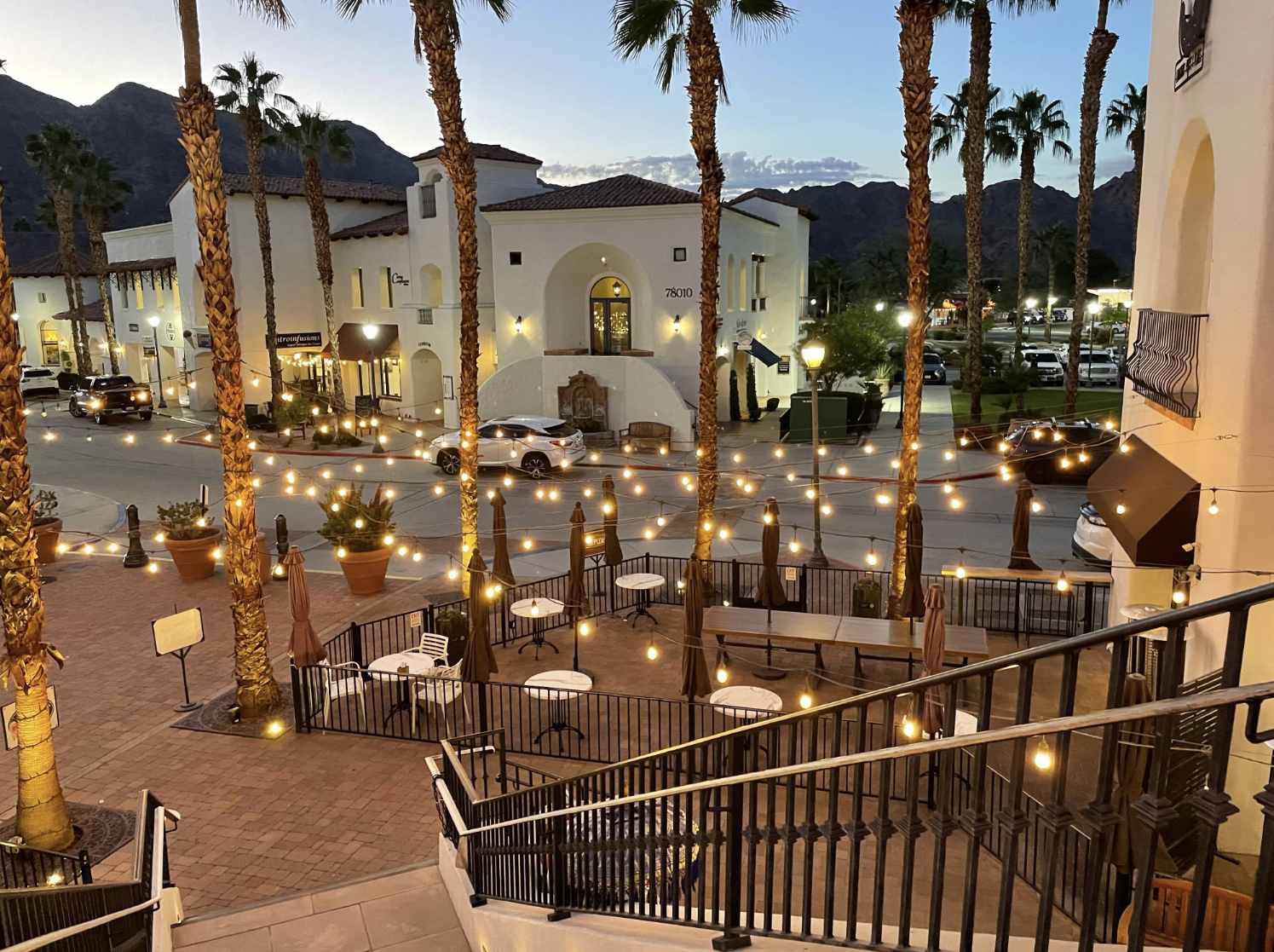
Old Town La Quinta is the village heart of the city. Spanish Colonial Revival architecture, cobblestone walkways, and a Main Street that somehow manages to feel both brand new and decades old at once. Coffee culture here is genuinely strong. Locals split loyalty between Old Town Coffee Company, with its shaded patio and house-baked pastries, and newer favorites like YES PLEASE and Gabino's known for its mountain view patio and a menu that goes well beyond a basic espresso bar. On Sundays from October through May, the Old Town Farmers Market takes over Main Street from 8am to 1pm with local produce, artisan goods, and the kind of slow morning ritual that becomes the favorite part of the week before you even realize it.

Golf, Every Day of the Week

La Quinta's golf density is hard to overstate. Beyond PGA West's nine courses, the city is home to the historic La Quinta Resort & Club courses, plus a wide range of private and semi-private clubs across communities like The Madison Club, The Hideaway, Tradition, and Big Horn. Whether the priority is tournament-caliber play, a quiet member-only round, or simply living somewhere the fairway view never gets old, La Quinta's golf infrastructure supports nearly any version of that life.

Restaurants That Punch Above Their Weight

For a city this size, La Quinta's dining scene is remarkably deep. Old Town alone supports dozens of restaurants and boutiques, with patios cooled by misters and a relaxed, al fresco energy most evenings of the week. Locals favor Casa Mendoza for Mexican fare and DSRT Club and Sandbar for a genuinely great happy hours. Nitroinfusions, a liquid nitrogen ice cream shop with more than 30 rotating flavors, has become the beloved after-dinner stop everyone ends up at eventually. First Thursdays bring live music to Main Street, and Art on Main Street draws local artists and a steady evening crowd monthly.

Hiking and the Outdoors

The Santa Rosa Mountains aren't a backdrop in La Quinta. They're a daily presence, visible from nearly anywhere in the city and genuinely accessible. The Fred Wolff Bear Creek Nature Preserve offers a 4.8-mile trail hugging the base of the mountains, popular with hikers, joggers, and e-bike riders alike. La Quinta's Pedego location rents e-bikes by the hour for exactly this. The trail system is also home to native bighorn sheep, a quiet reminder that for all its resort polish, La Quinta sits right at the edge of real desert wilderness.

Resorts and Wellness

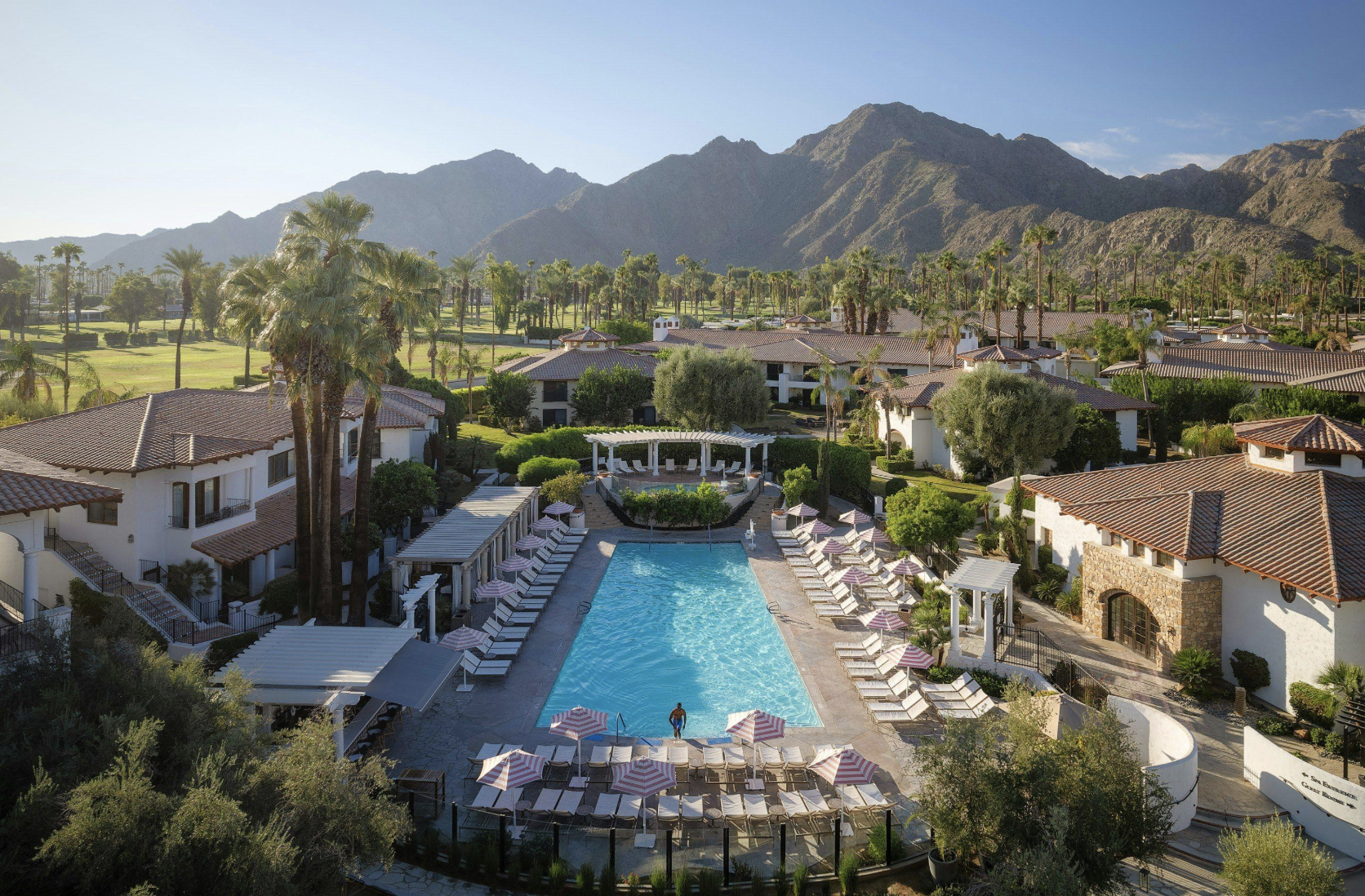
The legendary La Quinta Resort & Club has been in continuous operation since the 1920s and remains the city's most iconic property, with golf, spa, and dining woven into the same Spanish Colonial Revival architecture that defines Old Town. For residents, amenities like this stop functioning as a vacation destination pretty quickly. They just become part of the week: a spa morning, a resort dinner, a poolside afternoon, all a few minutes from home. Another local hidden gem is Le Chateau at Lake La Quinta, featuring bed & breakfast vibes with lakeside views.

Shopping, Without Leaving the Valley

Old Town's boutique shopping corridor covers everything from locally curated fashion at Elizabeth & Prince or Boulevard Consignments to artisan olive oil and wellness goods, while the Highway 111 corridor handles the larger format retail needs of everyday life. For residents who want a bigger retail day, El Paseo in Palm Desert and the wider Greater Palm Springs shopping scene are a short drive away.

Country Club Culture

What ties all of this together is La Quinta's country club culture, a social infrastructure built around membership, golf, tennis, and a packed seasonal events calendar that runs from January's American Express tournament week through spring polo season at nearby Eldorado Polo Club. For people relocating from cities where that kind of built-in community simply doesn't exist, it's consistently the thing new residents say they didn't expect to love as much as they do.

The Honest Version

La Quinta isn't trying to be Palm Springs, and it isn't trying to be Palm Desert. It's quieter, more residential, more golf-centric, and for the right person, that's exactly the draw. If you're picturing your next chapter somewhere with real mountains, real community, and a pace of life that still leaves room for a coffee on a Sunday patio, this is worth a serious look.

July 1, 2026

Before You List: 3 Luxury Home Selling Mistakes That Could Cost You Thousands

Three Luxury Home Selling Mistakes We Keep Seeing in La Quinta This Summer

It's a good market to sell in La Quinta. Luxury sales are still closing at every price point, including transactions well into eight figures. But a good market doesn't mean every listing sells. It means the homes that are positioned correctly attract buyers, while those that miss the mark remain on the market, accumulating days and losing momentum as buyers quietly move on to the next opportunity.

After watching the market closely through the summer season, three mistakes continue to appear. The good news is that every one of them can be avoided with the right strategy.

Mistake #1: Pricing for Yesterday's Market Instead of Today's

One of the most expensive mistakes a luxury seller can make is pricing based on the market of 2022 or 2023 instead of today's reality. Inventory throughout La Quinta has expanded over the past year, and average days on market have increased significantly. That shift has changed what competitive pricing looks like.

A home priced for the urgency of the pandemic era, when bidding wars and waived contingencies were common, is unlikely to generate the same response in today's more balanced market. Buyers have more choices, more time, and higher expectations.

The challenge is that time on the market is rarely neutral. As a listing sits, buyers begin to question why it hasn't sold. That perception often leads to price reductions that ultimately leave sellers with a lower net return than if the home had been priced strategically from the beginning.

The goal is never to price low. The goal is to price with precision, using current sales within your specific community, street, view corridor, and competitive set rather than relying on sales from several years ago or neighboring listings that may never achieve their asking price.

Mistake #2: Photography and Video That Don't Reflect the Value of the Home

Luxury buyers aren't browsing printed brochures. They're discovering homes online, often making an initial decision within just a few seconds on their phone. The quality of your visual presentation has never been more important.

This is especially true in La Quinta, where much of a property's appeal comes from its surroundings. Golf course views, dramatic mountain backdrops, resort style outdoor living spaces, and spectacular desert sunsets deserve to be showcased professionally.

Professional photography, cinematic video, aerial drone footage, twilight imagery, and thoughtfully produced walkthroughs help buyers understand not only the home itself but the lifestyle it offers. When those elements are missing, even exceptional properties can appear ordinary online, reducing buyer interest before a showing is ever scheduled.

Mistake #3: Marketing to Yesterday's Buyer Instead of Today's

Today's luxury buyer is different than many sellers imagine.

Many purchasers relocating to La Quinta are coming from coastal California, the Bay Area, the Pacific Northwest, the East Coast, or other high value markets. Before they ever board a plane, they're conducting extensive research online.

They're reviewing virtual tours, neighborhood information, HOA details, community amenities, market data, schools, golf memberships, and lifestyle opportunities long before requesting a private showing.

Listings that rely solely on a handful of photographs and a basic property description no longer meet those expectations.

The most successful luxury listings today function as a complete digital presentation. They provide immersive visual content, detailed neighborhood insights, market expertise, and a seamless experience for buyers who are making informed decisions from hundreds or even thousands of miles away.

The Bottom Line

Successful luxury sales rarely come down to luck or timing. They come down to preparation, positioning, and presentation.

When pricing is supported by current market data, marketing reflects the quality of the property, and the listing speaks directly to today's luxury buyer, sellers place themselves in the strongest possible position to achieve an exceptional outcome.

Thinking About Selling?

If you're considering selling your home in La Quinta, the first step is understanding how your property fits into today's market, not yesterday's headlines.

We'd be happy to provide a confidential, no obligation valuation along with a personalized pricing and marketing strategy tailored to your home, neighborhood, and current buyer demand. Whether you're planning to sell this season or simply exploring your options, having accurate market insight allows you to make informed decisions with confidence.

Contact The McLennan Team to schedule your complimentary luxury home evaluation and strategic market consultation.

June 30, 2026

The Ultimate Guide to PGA West, La Quinta — Homes, Golf, Membership & Lifestyle

PGA West: The Western Home of Golf

Ask a serious golfer where they'd build a dream community, and more often than not, the answer looks like PGA West. For more than three decades, this 2,200 acre enclave in La Quinta has carried the title "Western Home of Golf in America™," and earned every letter of it. Nine championship courses. Five clubhouses. Two private clubs. A roster of architects that reads like a hall of fame: Pete Dye, Jack Nicklaus, Arnold Palmer, Tom Weiskopf, Greg Norman.

But golf was never the whole story. PGA West is a real, lived in residential community, gated, guarded, and woven through with more than a dozen distinct neighborhoods, each with its own architecture, price point, and character. Some buyers come for tournament caliber golf. Others come for the privacy, the climate, the social calendar, or simply because La Quinta has quietly become one of the most coveted small cities in the desert. Most come for some combination of all of it.

What follows is the guide we wish every buyer had before their first tour, built by a team that has sold and lived in this market for years, not assembled from a template.


How PGA West Became the Western Home of Golf

Arnold Palmer & Pete Dye

PGA West broke ground in 1984, at a moment when La Quinta was still a quiet outpost next to its better known desert neighbors. From the outset, it was conceived as something larger than a golf course community: a destination resort with residential living built directly into the experience.

The Pete Dye Stadium Course announced what the community would become, widely regarded as one of the most demanding and theatrical courses in American golf, a longtime host of PGA Tour Qualifying and, for years, a rotation stop in the Bob Hope Classic, now The American Express. That tournament pedigree is part of why PGA West carries weight no newer golf community can simply manufacture. Presidents, touring professionals, and Hollywood royalty have all walked these fairways.

Over the decades that followed, PGA West grew into the nine course resort it is today, a mix of resort access layouts and ultra private courses reserved for members. It holds a distinction no other private club in the world can claim: two of its courses, the Pete Dye Stadium Course and the Tom Weiskopf Private Course, are ranked among Golf Magazine's 100 Greatest Courses in the World.

Today the golf side of PGA West is owned and operated by a joint venture between Century Golf Partners and Hankuk Industry, while the residential community is governed independently through its own homeowner associations, a distinction that matters more than most buyers expect, and one we'll come back to.


Life Inside the Gates

Pass through the gates and the rhythm of PGA West makes itself known quickly: golf carts at sunrise, lap swimmers ahead of the heat, tennis and pickleball courts booked solid by mid morning in season, a clubhouse calendar that runs from January wine dinners to summer poolside gatherings.

Ask residents what surprised them most about living here, and the same answer tends to come back: how social it is. Wine dinners, themed clubhouse events, golf leagues, racquet tournaments. The programming is dense enough that it's genuinely possible to build a full social life without ever leaving the community. For full timers and seasonal "half backs" alike, that built in social infrastructure is often the deciding factor over comparable golf communities elsewhere in the valley.

It is also a community that scales to however someone wants to live. A young professional in a Nicklaus Tournament condo experiences a different rhythm than a full time resident in a custom estate behind a private gate, but both share the same nine course legacy, and both sit minutes from Old Town La Quinta's restaurants, weekly farmers market, and boutique shopping.

Beyond the gates, the case only strengthens. Eldorado Polo Club is minutes away, where Sunday matches and tailgating have become a cherished seasonal ritual. So is the Desert International Horse Park in Thermal, one of the largest equestrian facilities in North America, hosting roughly fifteen weeks of hunter/jumper and dressage competition each season from October through March. For anyone with ties to equestrian sport, that proximity is a quiet but meaningful draw.


Club Membership: What Every Buyer Should Understand First

This is the part of PGA West most new buyers misread, so it deserves to be said plainly: owning a home here does not automatically come with club membership or course access. HOA dues and club membership are two entirely separate commitments, and conflating them is the single most common mistake we see before a buyer tours with someone who actually knows the community.

Two clubs, two experiences.

The Club at PGA WEST® opens access to six championship courses on the main property, three clubhouses, a Sports Club, tennis and pickleball, a dedicated dog park, and the full social and dining calendar.

The Citrus Club is smaller and more intimate, set among citrus groves, with its own three courses and access to the historic La Quinta Resort & Club's amenities and dining.

Membership, in broad strokes. A Champions or Social membership opens the Sports Club, dining, racquet sports, and the social calendar, without unlimited golf, ideal for residents who value the lifestyle more than tee times. A Golf membership through The Club at PGA WEST adds unlimited play across the six courses on top of those same social privileges. At the top sits the Desert or Distinguished Desert membership, which combines both clubs entirely: all nine courses, La Quinta Resort & Club amenities, priority tee times, concierge service, and Desert Member events. Pricing for each tier isn't published; the club provides it directly on request, which is worth setting expectations around early.

The distinction that matters most: it is entirely possible, and common, to own at PGA West, pay HOA dues, and never join the club at all, while still enjoying the gated security and prestige of the address. Plenty of residents are content with public or resort access rounds, or no golf at all. Membership is an optional layer on top of ownership, not a requirement of it. For buyers who do want golf, matching the tier to actual usage, a handful of rounds a season versus golf as a daily ritual, is the difference between real value and overpaying.


HOA Dues: What They Cover and What They Don't

PGA West is governed in layers: a Master Association overseeing the full 2,200 acres, and individual sub association HOAs governing each gated neighborhood within it.

The Master Association handles security and gate operations across roughly fifteen entry points, landscaping along the perimeter and main boulevards, and coordination with the city and utilities as the community has grown.

Sub community HOAs handle the rest: landscaping, architectural standards, and road and pool maintenance within each neighborhood, and in many condo associations, exterior maintenance, roofing, earthquake insurance, and cable or internet, all bundled into a single monthly figure.

What's worth underlining: no portion of HOA dues funds golf course operations. The courses, clubhouses, and club amenities sit entirely outside the HOA structure, owned and run by a separate private company. A buyer can own at PGA West and pay HOA dues without contributing a cent toward the courses, and club membership, if chosen, is billed entirely separately.

The practical takeaway for any buyer: look closely at the specific sub association's dues and what they actually cover, decide whether club membership belongs in the budget, and price that tier separately from the HOA line. We pull current HOA documents and CC&Rs for every PGA West listing. Ask us for the breakdown on any specific neighborhood.


The Neighborhoods: A Portfolio, Not One Product

PGA West isn't a single offering. It's a collection of distinct neighborhoods, each with its own floor plan library, price point, and architectural identity.

PGA Nicklaus Tournament offers condominium living along the Jack Nicklaus Tournament Course, with floor plans generally between 1,288 and 2,655 square feet and 2 to 3 bedrooms, often sold turnkey furnished. For many buyers, this is the most accessible entry point into PGA West.

PGA Stadium pairs attached and detached homes with the legendary Pete Dye Stadium Course, from cozy 1,600 square foot condos to larger detached layouts.

Signature at PGA WEST is a gated subdivision of detached single family homes, generally 1,700 to 2,200 square feet, with more contemporary finishes appearing in recently updated inventory.

Tanglewood, Inverness Way, Laurel Valley, Southern Hills, and Champions Way span a wide range of attached and semi attached condominiums, roughly 1,300 to 3,600 square feet, many positioned directly on fairway frontage.

And within custom estate enclaves, including gated pockets like Peninsula Park, buyers find larger, often custom built luxury homes on premium course and mountain view lots.

Choosing among them really comes down to lifestyle priorities first: turnkey, low maintenance condo living versus a custom estate; fairway frontage versus an interior lot; full time residence versus seasonal escape.


The Golf: Nine Courses, Two World Ranked Layouts

PGA West's golf portfolio is, simply, unmatched in the region.

Among the resort and member access courses, the Pete Dye Stadium Course remains the signature, famously demanding, dramatic, and one of two PGA West courses ranked among Golf Magazine's 100 Greatest Courses in the World, with a long history hosting PGA Tour Qualifying and Bob Hope Classic/American Express rotation play. Alongside it sit the Pete Dye Mountain and Dunes courses, the Jack Nicklaus Tournament Course, long associated with American Express tournament week, and the Greg Norman Course.

The private, member only side includes the Arnold Palmer Private Course, whose clubhouse overlooks its 18th green, the Jack Nicklaus Private Course, and the Tom Weiskopf Private Course, PGA West's second world ranked layout.

Through Desert or Distinguished Desert membership, residents also gain the Citrus Club's three courses, Citrus, Mountain, and Dunes, set among fragrant citrus groves with mountain, lake, and fairway views, plus access to the historic La Quinta Resort & Club.

For a golfer with full membership access, the appeal is simple: a different championship designed course every day of the week, with courses to spare the week after.


Where to Eat

Dining at PGA West splits between member exclusive clubhouse venues and the wider Old Town La Quinta scene just minutes away.

Inside the gates, Ernie's, set within the Stadium clubhouse, looks out over the Stadium and Nicklaus Tournament courses and handles everything from casual lunches to large banquets. Wallaby's West brings an Australian ranch style sensibility, with indoor dining and a veranda overlooking the course. And The Private Clubhouse at the Palmer Course is the most exclusive setting on property, with floor to ceiling mountain views over the 18th green and event space that scales from intimate dinners to gatherings of 450. Citrus Club members also have access to dining at the historic La Quinta Resort & Club.

Just outside the gates, a five to ten minute drive into Old Town La Quinta opens onto one of the desert's most beloved dining strips: chef driven restaurants, wine bars, and patio seating worth a guide of its own.


The Market, in Numbers

PGA West's pricing spectrum is genuinely wide, which is part of what makes the community accessible to such a broad range of buyers. Entry level condos in PGA Nicklaus Tournament (2 bed/2 bath, roughly 1,288 to 1,330 square feet) are currently trading in the high $400,000s to high $600,000s. Mid tier condos and attached homes, 2,100 to 2,700 square feet, 3 bed/2 to 3 bath, generally land between $1.0 and $1.3 million. Detached single family homes in Signature, Tanglewood, and similar gated neighborhoods range broadly from the high $500,000s into the $1.7 million plus range, depending on lot, view, and finish. Custom estates in PGA West's most exclusive enclaves extend well beyond that, with premium course frontage and mountain view lots commanding the top of the market.

Citywide, La Quinta has seen inventory expand and days on market lengthen over the past year, and PGA West tracks closely with that broader trend: more selection, longer marketing times on overpriced listings, and continued strong absorption on homes priced accurately for their neighborhood and view corridor.

(This section is designed to refresh against a live MLS/IDX feed. Figures below reflect a snapshot as of late June 2026.)


Frequently Asked Questions

Does buying a home at PGA West include club membership? No. HOA dues and club membership are entirely separate. You can own here and never join the club, or add a tier that matches how often you actually plan to golf.

What's the difference between The Club at PGA WEST and The Citrus Club? The Club at PGA WEST opens six resort/member courses, three clubhouses, and the main Sports Club and social calendar. The Citrus Club is smaller and more intimate, with its own three courses and access to the historic La Quinta Resort & Club. A Desert or Distinguished Desert membership combines both.

How many golf courses does PGA West have? Nine championship 18 hole courses, including two, the Pete Dye Stadium Course and the Tom Weiskopf Private Course, ranked among Golf Magazine's 100 Greatest Courses in the World.

What do PGA West HOA dues actually cover? Master Association dues fund community wide security, gate operations, and common area landscaping. Sub community dues cover neighborhood specific landscaping, architectural standards, and, in many condo associations, exterior maintenance, roofing, and shared amenities. Neither covers club membership or golf course costs.

Is PGA West better suited to full time residents or seasonal ones? Both, by design. The community supports a genuine year round social calendar and a full time resident base, while functioning just as seamlessly for seasonal ownership. Many floor plans and condo associations are built and furnished specifically with that flexibility in mind.

What price range should I expect? Roughly the high $400,000s for entry level condos up to several million for custom estates, with most buyers landing between $700,000 and $1.5 million for a well located three bedroom home with course or mountain views.


A Few Honest Recommendations

For first time desert buyers, a Nicklaus Tournament or Stadium area condo is usually the smartest entry point: lower price, often turnkey furnished, and full access to the lifestyle without committing to a custom estate.

For golf first buyers, it's worth seriously considering the Desert or Distinguished Desert membership before purchase, rather than upgrading tiers later. It's the most cost effective way to access all nine courses if golf is a daily habit, not an occasional one.

For buyers who value privacy above all, the custom estate enclaves and gated pockets within the larger PGA West footprint offer real separation from clubhouse and tournament week traffic.

And don't skip a Sunday afternoon at Eldorado Polo Club during season. It remains one of the most underrated lifestyle amenities tied to this part of La Quinta, even for residents who have never sat on a horse.


Curious whether PGA West is the right fit for your goals, or which neighborhood matches your lifestyle and budget? Let's walk the community together.

June 29, 2026

Why Summer 2026 Could Be One of the Best Times to Buy Luxury Real Estate in La Quinta


Every desert season has a rhythm. The snowbirds arrive in October, the market heats up through January and February when The American Express tournament brings the world to La Quinta, and by June the temperature climbs, the crowds thin, and conventional wisdom says real estate "goes quiet" until fall.


Conventional wisdom is wrong this year — and the buyers paying attention to it are the ones who will own the best properties in La Quinta a year from now.


Summer 2026 isn't a quiet season. It's a window. And like every real window in real estate, it won't stay open once the snowbirds figure out the same thing.

The Market Right Now: More Room to Negotiate, Not Less Value

La Quinta's luxury market has shifted meaningfully over the past twelve months, and the shift favors buyers more than it has in years. Inventory across the city has expanded, days on market have lengthened, and the urgency that defined 2022 and 2023 — multiple offers, waived contingencies, escalation clauses — has largely evaporated.


Homes in La Quinta are now taking close to five months to sell on average, roughly 50% longer than they did a year ago. That's not a market in trouble; it's a market that's rebalanced. There are currently several hundred single-family homes actively listed within the city's core, with luxury pricing extending well into eight figures in communities like The Madison Club, and well over a thousand total residential listings across La Quinta when you include condominiums and attached homes.


What that means in practice: buyers today are negotiating from a position of strength they haven't had in three years. Sellers who are realistic about pricing are still closing — there have been hundreds of completed sales in La Quinta already this year, ranging from entry-level condos in La Quinta Cove to estate-level transactions inside The Madison Club — but the days of a home selling itself regardless of price or presentation are over.


For a buyer who has been priced out, outbid, or simply discouraged by the last three years, that's the opening.

Why "Quiet" Doesn't Mean "Empty"

Summer in the Coachella Valley has a reputation problem. The heat scares off casual lookers, the snowbird population that drives so much of the desert's social energy is gone, and the assumption is that nothing of consequence happens in the local market between Memorial Day and Labor Day.


That assumption is exactly why summer works for serious buyers. Less competition doesn't mean less inventory — it means the same homes are available to a smaller, more motivated buyer pool. Sellers who are listing in summer are often doing so for real reasons: a life change, a relocation timeline, a need to close before the next season's pricing reset. They tend to be more flexible on price, more open to creative terms, and more willing to negotiate on repairs, closing costs, or timeline than a seller competing against five other listings in February.


There's also a longer-game argument here. Buyers who close on a home in July or August have the entire fall to handle any renovations, furnishing, or staging decisions — well before "season" arrives in the desert. By the time the snowbirds return and the social calendar fills with golf, polo, and tournament traffic, a summer buyer is already settled, not still hunting.

Increased Inventory Means Increased Choice

One of the most underappreciated dynamics in the current La Quinta luxury market is simply how much there is to look at. Buyers in 2026 are choosing from meaningfully more active listings than they were two years ago, spanning everything from updated condos inside PGA West's Nicklaus Tournament course to custom estates in The Hideaway, Tradition, and Madison Club.


That depth of inventory matters because luxury buying is rarely just about square footage or bedroom count. It's about fit — the right course frontage, the right light at sunset, the right floor plan for how a family or a couple actually lives six months out of the year. A thin market forces compromise. A deep market lets a buyer be selective, and selective buyers make better long-term decisions.

More Negotiating Power — Without Giving Up Quality

There's a common misconception that "buyer's market" means settling for less. In luxury real estate, it almost never does. What changes isn't the caliber of homes available — Madison Club, PGA West, and The Hideaway are still Madison Club, PGA West, and The Hideaway — what changes is the leverage a buyer brings to the table.


That leverage shows up in a few specific ways this summer:

  • Price negotiation room. With days on market extending and price-per-square-foot softening modestly across the city, sellers are more receptive to offers below list, particularly on homes that have been sitting for sixty days or more.
  • Contingency flexibility. Inspection periods, appraisal contingencies, and financing windows that would have been waived outright in 2022 are back on the table as standard buyer protections.
  • Closing cost and credit negotiation. Sellers motivated by a relocation timeline are increasingly willing to contribute toward closing costs or rate buy-downs to get a deal done.
  • Time to do real diligence. A buyer isn't racing a multiple-offer deadline. There's room for a second showing, a contractor walkthrough, an HOA document review — the things that protect a buyer for the next decade of ownership, not just the next ten days.


None of this requires settling for a lesser property. It requires recognizing that the same caliber of home is currently available on better terms than it has been in years.

Why Sellers Still Succeed With the Right Pricing

The flip side of this market deserves equal attention, because the sellers who are winning right now are proving something important: pricing strategy, not market timing, is what determines outcome.


Luxury sales are still closing across every price tier in La Quinta, including transactions well above eight figures inside Madison Club. What separates a 2026 success story from a stalled listing isn't luck — it's a seller who priced to the current market from day one, rather than chasing 2022 comparables that no longer apply, paired with presentation that meets today's buyer expectations (more on that Wednesday).


A home priced accurately for where the market actually sits today, marketed to the right buyer pool — often a buyer relocating from a more expensive coastal or urban market who still sees La Quinta as exceptional value — will sell in this environment. A home priced for a market that no longer exists will sit, accumulate days on market, and eventually require a price reduction that costs the seller more, both in dollars and in negotiating position, than pricing correctly the first time would have.

Local Insight: La Quinta and the Golf Communities

What makes La Quinta specifically compelling this summer is the layering of national market dynamics on top of a genuinely unique local product. There is no other market in the country that offers this density of championship golf — PGA West alone carries nine courses and the rare distinction of having two ranked among the world's top 100 — combined with the lifestyle infrastructure of Old Town La Quinta, the polo and equestrian culture centered around Empire Polo Club and Eldorado Polo Club, and direct access to the broader Greater Palm Springs cultural and culinary scene.


That combination is why La Quinta buyers tend to be relocating from somewhere more expensive, not somewhere cheaper. A buyer coming from coastal Orange County, the Bay Area, Seattle, or the East Coast isn't comparing La Quinta to other desert markets — they're comparing it to what their existing home would sell for, and finding that a Madison Club estate, a Hideaway custom build, or a turnkey PGA West condo represents genuine value relative to where they're coming from. That buyer pool doesn't disappear in summer. If anything, summer is when that buyer — often someone selling a primary residence on a different school-year or fiscal-year timeline — has the bandwidth to actually transact.

What This Means If You're Watching the Market

The buyers who do well in any market are rarely the ones reacting to headlines about hot markets or cold markets. They're the ones who understand what's actually happening on the ground in the specific neighborhoods they care about, and who move when the data — not the calendar — tells them to.


Right now, in La Quinta, the data says: more inventory, longer days on market, real negotiating room, and a seller pool that is still transacting at every price point when priced correctly. That's not a market to wait out. That's a market to work.

Frequently Asked Questions

Is summer a good time to buy a home in La Quinta? Yes, for buyers who can act with less competition. Inventory is elevated and days on market have lengthened, giving buyers more negotiating leverage than they've had in recent years, without any reduction in the caliber of homes available.


Are luxury home prices dropping in La Quinta? Pricing has softened modestly and days on market have increased compared to the prior year, but luxury sales — including estate-level transactions inside Madison Club — continue to close. The shift favors negotiation, not a collapse in value.


What golf communities in La Quinta are best for luxury buyers? PGA West, The Madison Club, The Hideaway, and Tradition each offer a distinct luxury positioning, from PGA West's resort-scale golf access to Madison Club's ultra-private estate model. The right fit depends on lifestyle priorities — golf access, privacy, club culture, and price point.


Thinking about buying or selling this summer? Let's create a strategy tailored to your goals.